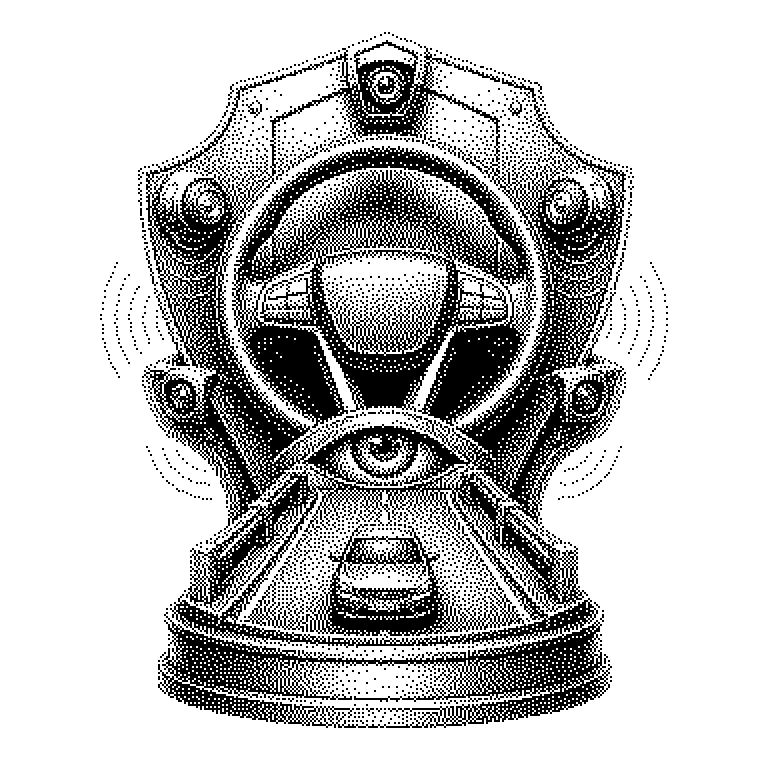
ADAS
ADAS is the umbrella term for electronic helpers in a car that support the driver with steering, braking, and monitoring the surroundings. These include emergency brake assist, lane-keeping assist, and adaptive cruise control – but the human remains responsible.
ADAS stands for “Advanced Driver Assistance Systems.” It refers to electronic helpers in a car that support the driver with steering, braking, and watching the road. To do this, the car constantly monitors its surroundings using cameras and other sensors, meaning measuring devices. If it detects a danger, it warns the driver or briefly intervenes itself. Well-known examples are emergency brake assist, lane-keeping assist, and adaptive cruise control. What matters is this: the human behind the wheel remains responsible, the car does not drive on its own.
What assistance systems are changing in road traffic
Most traffic accidents are caused by human error. Someone glances at their phone for a moment, misjudges a distance, or reacts half a second too late. It is precisely in these moments that assistance systems have the advantage. They don’t get tired, don’t get distracted, and calculate faster than a human. Studies by insurers show that emergency brake assistants significantly reduce rear-end collisions.
That’s why many of these systems are now legally required. In the EU, new vehicle models have had to include an emergency brake assistant, a lane-keeping assistant, and a drowsiness warning system, among others, since 2022. What used to be expensive optional equipment in luxury cars is now standard equipment in a compact car.
Economically, ADAS is a multi-billion-dollar market. Suppliers like Bosch, Continental, or Mobileye earn money from sensors and software, while chipmakers like Nvidia and Qualcomm profit from the computing chips needed for them. That’s why ADAS regularly appears as a growth area in the auto industry’s quarterly reports.
From sensor data to brake intervention
It always starts with perception. Cameras behind the windshield provide images, radar sensors measure the distances and speeds of other vehicles. Some cars additionally use lidar, a sensor that scans the surroundings using laser pulses. Ultrasonic sensors in the bumpers detect nearby obstacles when parking.
This raw data is analyzed by a computer in the car. Neural networks are used here: programs that have learned from millions of example images to recognize pedestrians, cyclists, lane markings, and traffic signs. Because a single sensor can be deceived, multiple sources are combined. Radar also works in fog, while the camera is able to recognize colors and text. This combining process is called sensor fusion.
From the resulting picture of the surroundings, the software derives a decision: warn, steer, or brake. The command goes to the steering or brakes, often within a few hundredths of a second. A common misconception is that ADAS is the same as autonomous driving. Experts distinguish between automation levels from 0 to 5. ADAS typically operates at levels 1 and 2, where the driver must remain continuously attentive.
Recognizing assistance systems in your own car
Anyone who gets into a car from the last few years is almost certainly sitting in a vehicle with ADAS. Adaptive cruise control automatically maintains the distance to the car ahead. The lane-keeping assistant gently steers back if you cross the line without indicating. The blind spot warning shows a small light in the side mirror when a car is driving alongside.
In the news, the term mainly comes up in connection with recalls and investigations. Authorities are examining, for example, whether systems like Tesla's Autopilot lull drivers into a false sense of security. Discussions about accidents involving robotaxis also revolve around the same technology, just taken one step further.
For consumers, the acronym is also relevant when buying a car. Crash test organizations like Euro NCAP factor assistance systems into their ratings and now only award top marks to vehicles with good equipment. It remains important to know: an assistant is a second layer of safety, not a substitute for attentiveness.