Autonomous Vehicle Network Company
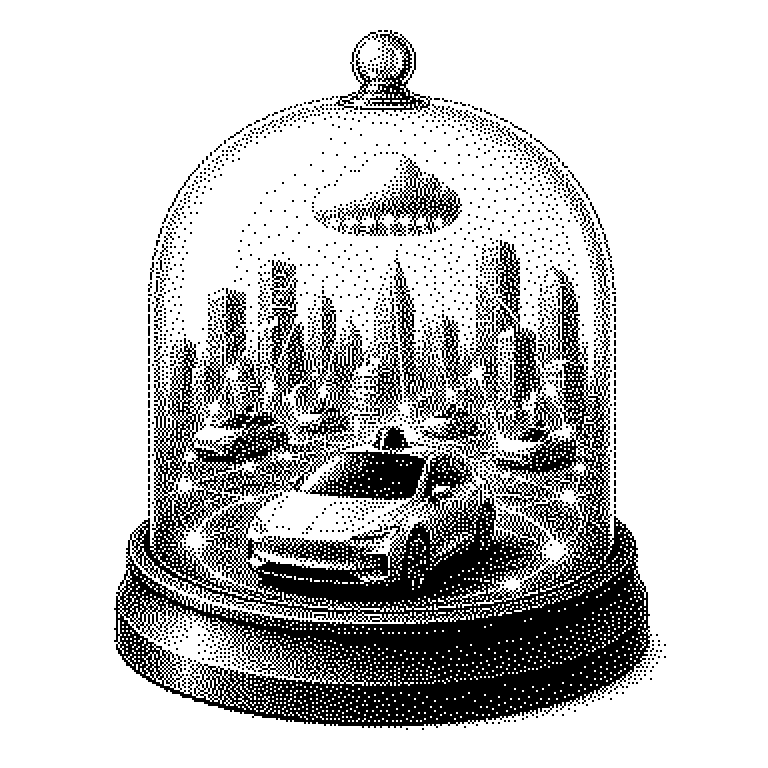
An Autonomous Vehicle Network Company operates a fleet of self-driving cars as a service: users order a ride via an app, and the vehicle arrives without a driver. The company earns money per ride, not from selling cars.
An Autonomous Vehicle Network Company is a company that operates a fleet of self-driving cars and sells their rides as a service. The English name literally means a company for a network of autonomous vehicles. You order a ride via an app, a car without a driver picks you up and takes you to your destination. Payment is made per ride, similar to a taxi. So the company doesn’t sell cars, it sells miles. Well-known examples are Waymo in the USA and Baidu's service Apollo Go in China.
Why car sales are turning into a subscription business
A car manufacturer earns money once, when it sells a vehicle. After that, the customer drives it for years without paying anything further. A fleet operator, on the other hand, collects money on every single ride. That’s exactly why investors often value such companies completely differently from classic carmakers.
Behind this lies a simple calculation. A private car sits unused for more than 90 percent of the day on average. A robotaxi can drive almost around the clock, because there are no driving-time limits and no end of shift. This spreads the expensive technology across a great many paid miles. Whether this ends up being cheaper than a human behind the wheel depends above all on how much the sensors and maintenance cost.
It’s important to distinguish this from a pure ride-hailing service like Uber in its classic form. There, drivers own the cars and bear the risk themselves. An Autonomous Vehicle Network Company usually owns the vehicles, the software, and the operations center itself. This requires enormous amounts of capital, but keeps the entire profit in-house.
Sensors, maps, and the control center in the background
Every vehicle carries several kinds of sensors, meaning measuring devices for the surroundings. Cameras deliver images, radar measures distances using radio waves, lidar scans the surroundings with laser pulses. A computer in the car combines this data into a model of the environment. From this it calculates where other cars and pedestrians will be in a moment, and chooses a lane and a speed.
Most providers also work with highly precise maps. These record lanes, traffic lights, and curbs down to the centimeter. This is why such services only launch in clearly defined cities and then expand slowly. New areas must first be surveyed and extensively tested.
The network also includes everything you don’t see from the outside. A control center monitors the fleet and can provide guidance in a gridlocked situation, for example at a construction site. Depots charge the vehicles, clean them, and check the sensors. Software also distributes orders so that cars are positioned where demand will soon arise. A common misconception is that no humans work here at all anymore.
From San Francisco to the quarterly figures
In everyday life, this business model is currently encountered mainly in individual major cities. In Phoenix, San Francisco, and Los Angeles, Waymo vehicles operate in regular service, while in Wuhan and Beijing it’s Apollo Go’s cars. In Germany, there are so far only test operations and pilot routes. Approval is regulated much more strictly here.
In business news, the term usually appears in connection with two topics. First, billion-dollar investments, since the fleet, technology, and permits consume vast amounts of money over many years. Second, accidents and recalls, because a single incident can shut down an entire city for the service. That’s exactly what happened to the provider Cruise in California in 2023.
It’s also worth listening closely when it comes to car manufacturers. When a corporation announces it will operate a vehicle network in the future, it’s promising recurring revenue instead of one-time sales. Whether this promise holds up shows in sober metrics: How many rides per car and day? How often does a human need to intervene? And in how many cities does the service really run without a safety driver?