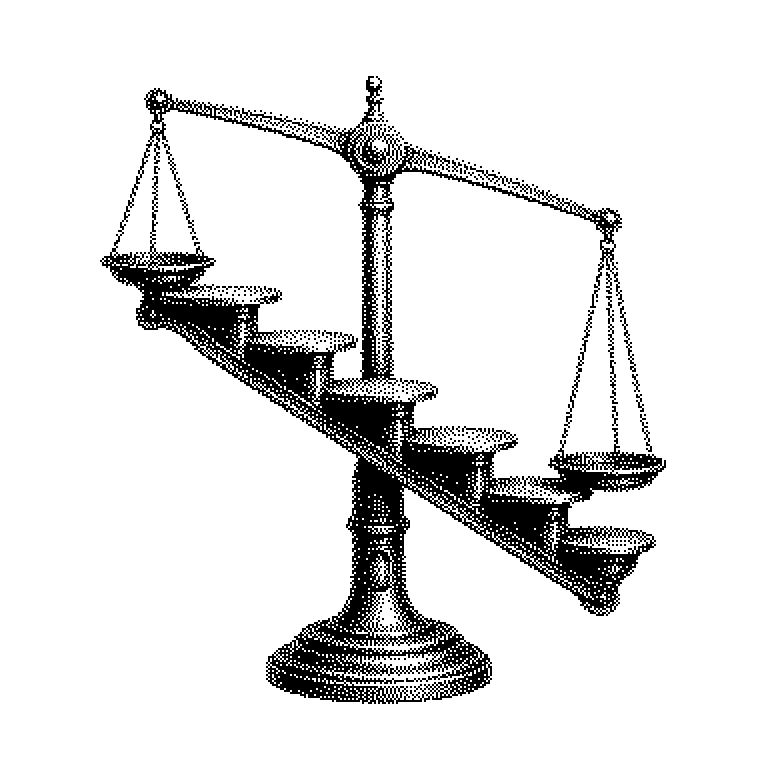
AL0-AL5 Scale
The AL0-AL5 scale describes in six levels how much a machine decides on its own and how much the human takes over. Level 0 means full human control, level 5 complete autonomy without supervision.
When a machine takes over tasks, the interesting question is not whether, but how far. Does a car merely follow the lane markings, or does it drive without a driver across town? This is exactly the gradation that the AL0-AL5 scale aims to capture. “AL” stands for Autonomy Level, and describes how much a system decides on its own. The scale has six levels: at AL0, the human does everything themselves, at AL5 the system operates entirely on its own. Between these extremes lie four levels, in which responsibility shifts step by step from human to machine.
Why autonomy is not a Yes or No
Without such levels, manufacturers, authorities, and customers talk past each other. “Self-driving” sounds clear, but means very different things. A lane-keeping assistant and a driverless taxi are both somehow automatic. The difference is nevertheless enormous, especially legally.
The decisive break lies between the middle and the upper levels. As long as the human must be able to intervene at any time, they remain responsible. From the point at which the system is meant to handle a situation entirely on its own, liability shifts to the manufacturer. Insurers, regulatory authorities, and courts hinge precisely on this boundary. That’s why classifying a product is often a million-dollar question, not just a technical detail.
A common misconception: the levels are not school grades. AL5 is not automatically “better” than AL3. For many applications, a middle level is more sensible, because a human resolves the rare edge cases more reliably than any software.
What distinguishes the six levels
The classification follows two questions. First: who performs the task? Second: who observes the environment and intervenes in an emergency? At AL0, the human does both. At AL1 and AL2, technology supports individual subtasks, such as maintaining speed or staying in lane, but the human monitors permanently.
From AL3 onward, the system takes over monitoring itself, though only in clearly limited situations. In a car, that would be, for example, a traffic jam on the highway in good weather. The human may then briefly look away, but must take over again upon request. AL4 dispenses with this fallback: within the defined operating range, the system also handles emergencies on its own, if necessary by stopping safely. AL5 no longer knows such a restriction.
That is why the defined operating range, often called the operating domain or, in English, the Operational Design Domain, is important. It describes where and under what conditions a system is meant to apply. A shuttle that drives autonomously on a factory road in daylight can reach AL4. On a snowy country road, the same vehicle would be useless. A level rating without an operating range is therefore almost meaningless.
From Robotaxis to AI Agents
Originally, the idea comes from vehicle engineering. The best-known relative is the scale of the engineering association SAE with levels 0 to 5, which appears in approval debates worldwide. When the news says a manufacturer has received approval for “Level 3,” this exact logic is meant. One also encounters the AL notation additionally in industry, for example with robots, construction machinery, ships, or mining vehicles.
Since AI systems themselves process tasks, the scale is being transferred to software. A program that makes text suggestions corresponds to a low level. An assistant that sends emails, triggers orders, or deploys code into a live product without asking corresponds to a significantly higher level. Companies use such levels internally to determine when a human must sign off.
When reading marketing claims, skepticism is worthwhile. The number alone says little if the operating range and responsibility remain unnamed. Those who know it can quickly recognize whether a product really operates autonomously or merely assists well.