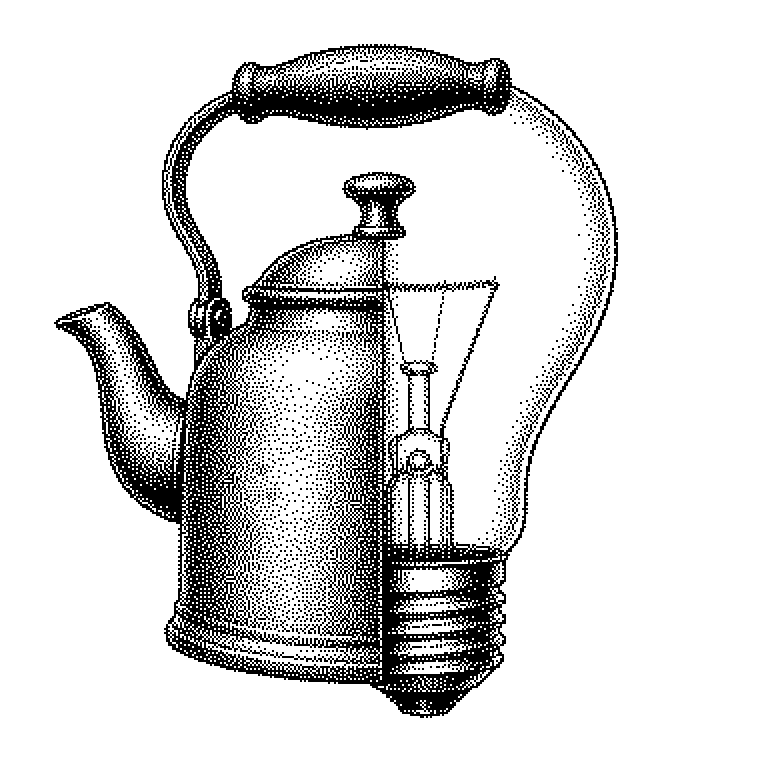
Substitution
Substitution means that one thing is replaced by another that serves the same purpose. In the AI debate, it usually revolves around whether software displaces human labor or a product that was previously purchased.
Substitution means replacement. Two things are substitutable for each other if they serve the same purpose and one can therefore be used instead of the other. Butter and margarine are a classic example: if butter becomes expensive, many people reach for margarine instead. In economics, the term thus describes a displacement, not a supplement. That is exactly why it is used so often in connection with artificial intelligence, meaning computer programs that carry out tasks that used to require humans. The key question then is: does the software replace existing work and existing products, or does it come in addition to them?
Why investors look at displacement rather than growth
For companies, the difference between replacement and supplementation is crucial. If a product is replaced, an existing market shrinks. If it is supplemented, the pie grows for everyone. That is why stock prices react very differently to the same technology, depending on which side one takes.
A practical example: when chatbots became popular, the share prices of several providers of online tutoring and translation services fell sharply. The worry was that customers would in future use an AI program instead of paying for the service. Whether that will really happen remains open. But even the mere expectation of substitution moves money.
The same pattern applies to the topic of work. Anyone who expects software to replace entire activities anticipates job cuts and falling costs. Anyone who sees it as a tool expects the same people to accomplish more. Both can be true at the same time, just in different professions.
How to tell whether something is truly replaceable
Substitution presupposes that two things are equivalent from the user’s point of view. What matters is not whether they work in a technically similar way, but whether they fulfill the same need. A bus replaces a car for the commute to work, but not for a house move. That is why substitutability is almost always only partial.
When it comes to professions, experts therefore break the work down into individual tasks. A lawyer reads contracts, researches rulings, advises clients, and appears in court. A program today can partially take over the first two tasks, but hardly the last two. So only part of the job is replaced, not the profession itself. If this makes the work cheaper, demand can even increase.
Price also matters. Substitution rarely happens just because something is technically possible, but because it is cheaper or more convenient. As long as an AI query costs money and electricity, switching only pays off where it is worthwhile. If the cost of the technology rises, the calculation flips again.
Substitution in headlines and in everyday life
In business news, you often encounter the term in phrases like “substitution risk” or “AI substitutes search queries.” It always means: a previously used path is being replaced by a new one, and someone loses revenue as a result. With search engines, this is concretely measurable. Anyone who gets an answer directly from a chatbot clicks less often on a website with advertising.
You experience substitution yourself, too, without using the term. A translation program replaces the dictionary, a maps app replaces the street map, a voice message replaces the typed text message. In none of these cases has the old thing disappeared completely. It is simply used less often, and that is enough to change a market.
A common mistake is to confuse substitution with complementarity. Complementary goods complement each other and are used together, such as printers and paper. If demand for one rises, it also rises for the other. With substitution, it is the opposite: if one gains, the other loses. Anyone reading an AI-related news item should therefore first check which of the two cases is meant.