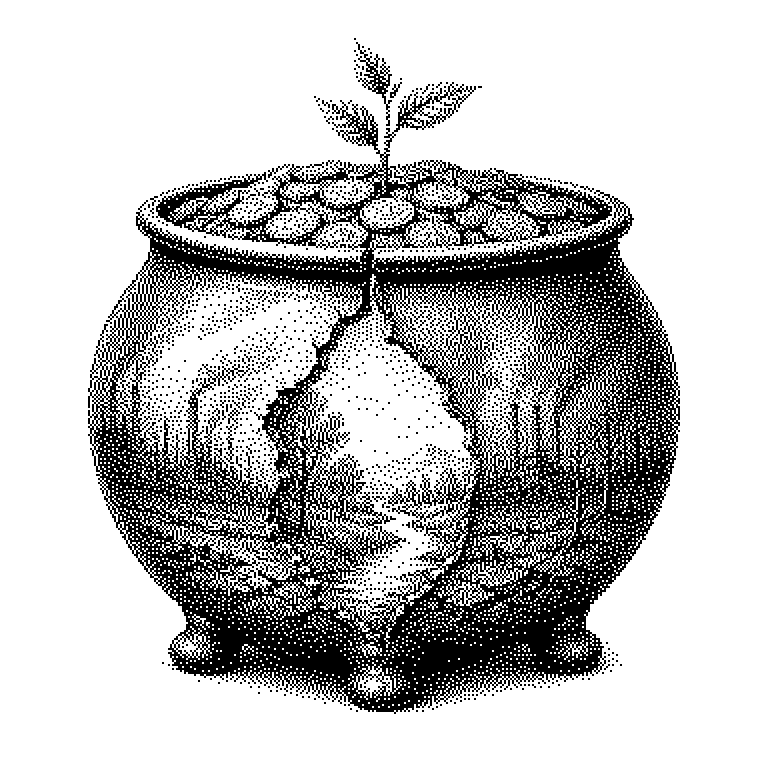
Superfund
Superfund is a US program that cleans up land heavily contaminated with toxic substances and bills the costs to those responsible. The name comes from a pool of money used to pay for the cleanup when no solvent responsible party can be found.
Superfund is a US government program for particularly heavily poisoned parcels of land. This refers to sites where former chemical plants, metal processing, or landfills have left contaminants in the soil and groundwater. The responsible environmental agency, the EPA, investigates such sites, orders the cleanup, and then recovers the money from the companies that caused the pollution. If no one who can pay can be found, a government fund steps in. It is precisely this fund that gave the program its name. Legally, the whole thing is based on a law from 1980, usually referred to by the abbreviation CERCLA.
Why legacy contamination is a billion-dollar problem
The program’s history begins with a specific scandal. In Love Canal in the state of New York, a residential neighborhood along with a school was discovered in the 1970s to have been built on a filled-in chemical dump. Residents complained of rashes, miscarriages, and strange odors in their basements. Public pressure was so great that Congress passed the Superfund law in 1980.
What is special about it is the liability rule. A company can be held liable even if the pollution was completely legal at the time. Furthermore, under certain circumstances, each party involved is liable for the entire cost, not just their share. This makes legacy contamination a serious financial risk that corporations must report as provisions on their balance sheets. Individual sites can consume several hundred million dollars.
For local residents, it’s about more than money. Contaminants such as lead, arsenic, or chlorinated solvents migrate into drinking water and often only take effect after years. This is why many Superfund sites are located in poorer residential areas, which regularly sparks political debates in the US.
From suspected case to the National Priorities List
The process is highly formalized. First, someone reports a suspicion, such as an agency or a resident. The EPA takes soil, air, and water samples and evaluates the case using a scoring system. The toxicity of the substances, the quantity, and the question of how many people live nearby are all assessed.
If a site exceeds a certain score, it is placed on the National Priorities List. This list comprises around 1,300 sites. After that, it is determined which remediation method is suitable: removing soil, pumping and filtering groundwater over years, or chemically neutralizing the contaminants on site. Only then does the actual cleanup begin, which often takes a decade or longer.
In parallel, the search for those responsible takes place. Lawyers reconstruct who owned the site and when, and who dumped what there. This often ends in lengthy proceedings between the agency, companies, and their insurers. A common misconception is that the government covers the bill: the fund is only the fallback solution for orphaned cases.
Superfund in the news and as a figure of speech
In business news, the term usually comes up when a corporation increases provisions for environmental damage or announces a settlement with the EPA. Such announcements move stock prices because they make the amount of future payments visible. Superfund also plays a role when purchasing industrial land, since liability can be acquired along with the property.
The law does not apply in Germany. Here, the Federal Soil Protection Act regulates similar issues, albeit with different liability rules. The comparison is still worthwhile, however, because the US model served as a template for the polluter-pays principle in many countries.
Finally, the word is often used figuratively. When someone speaks of a digital superfund, they usually mean the idea that those responsible should pay for cleaning up data landfills or insecure legacy software. Such comparisons are catchy, but should not be confused with the actual environmental program.