Post-Exploitation Kit
A post-exploitation kit is a collection of tools that attackers use after they have already gained access to a foreign system. They help to expand and secure that access, and to remain undetected for as long as possible.
Breaking into a computer is only the first step of an attack. What comes afterward is at least as dangerous. A post-exploitation kit is a collection of programs and scripts that an attacker deploys once they have already gained access to a system. The goal is not the break-in itself, but what follows: maintaining control, spreading further, and covering tracks. The name derives directly from this — “post” means “after,” and “exploitation” refers to taking advantage of a security vulnerability.
What’s at stake
Initial access to a system is often limited. An attacker might land on an intern’s computer with no special privileges. A post-exploitation kit helps them move on from there: to passwords, databases, administrator accounts, or other machines on the same network.
This is exactly what makes this phase so critical. Many security systems focus on detecting the initial breach. Once the attacker is inside and moving around using seemingly legitimate means, they become much harder to spot. Studies show that it takes an average of over 100 days for an attack to be discovered within a corporate network — post-exploitation tools are a major reason for this.
What these kits can actually do
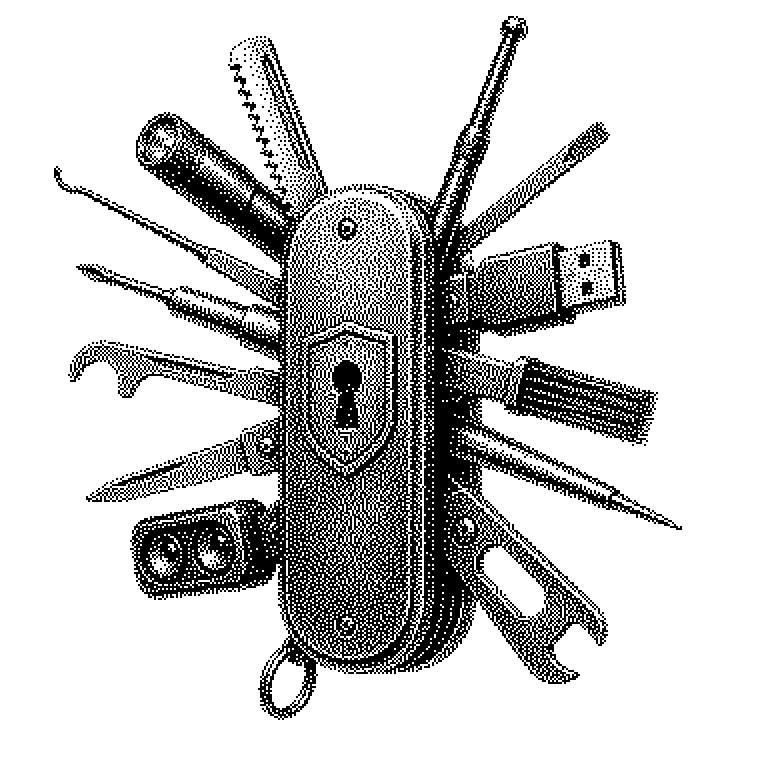
A typical post-exploitation kit bundles several capabilities. It can extract stored passwords from memory, log keystrokes, take screenshots, or set up a persistent backdoor that remains active even after a restart. Many kits can be controlled through a central interface, similar to remote administration software.
Particularly dangerous is so-called lateral movement: the attacker jumps from machine to machine within a network until they reach a particularly valuable target. To do this, they often use legitimate system tools that come pre-installed on every Windows machine — because using them doesn’t trigger any alarms. This technique is known as “living off the land.”
The best-known publicly available framework of this kind is called Metasploit. It was originally developed for security testing and is now an industry standard — used both by attackers and by security teams testing their own systems. There are also specialized kits such as Cobalt Strike or Mimikatz, which specifically extracts passwords from Windows memory.
Post-exploitation kits in practice
Post-exploitation tools show up in almost every post-mortem report on major cyberattacks. In the 2020 SolarWinds attack, in which hackers operated undetected within US government agencies for months, the attackers used sophisticated post-exploitation techniques to move through the network and exfiltrate data. Ransomware groups, which encrypt data and demand ransom payments, also often spend weeks inside a network before striking.
In the security industry, the term is encountered mainly in so-called red team exercises. In these, specialized teams use the same tools to simulate a real attack on their own company — in order to find vulnerabilities before real attackers do. In this context, post-exploitation kits are therefore not only a threat, but also a tool of defense.
For users and companies, this means: preventing the initial breach is important, but not sufficient. Just as crucial is detecting suspicious activity within a network — before an attacker turns a foothold into a complete takeover.