Meta-Agent
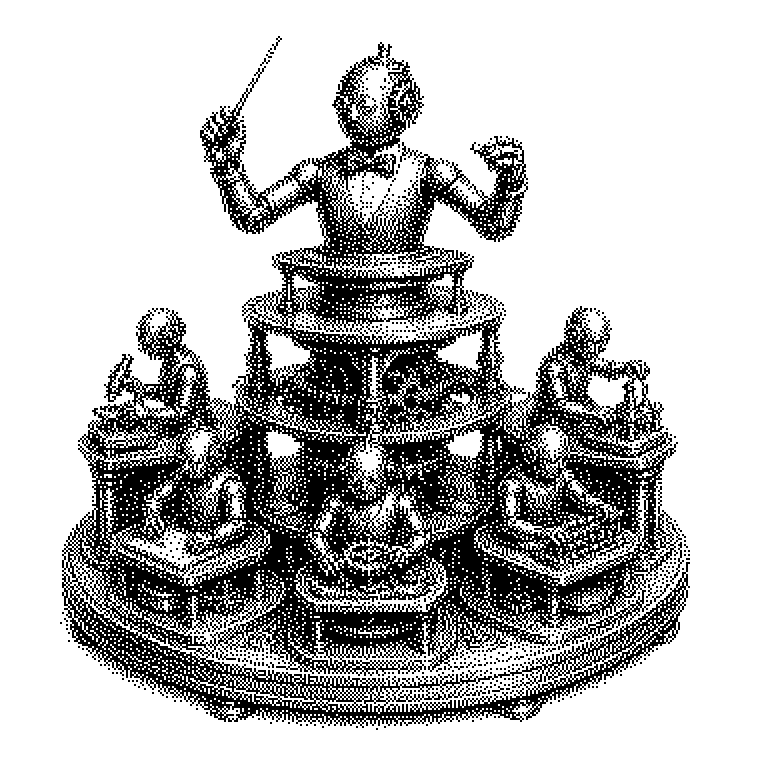
A meta-agent is an AI program that doesn't perform the actual work itself, but instead directs other AI programs: it breaks down a task, distributes the parts, and assembles the results. You can think of it as a project manager overseeing a team of specialized helpers.
Some AI programs don’t just answer questions, but carry out multi-step tasks on their own. They search the internet, write program code, or fill out forms. Such programs are called agents. A meta-agent sits one level above: it doesn’t do the work itself, but distributes it among several such agents. It breaks a large task down into subtasks, hands each one to a suitable helper, and combines the responses at the end. The prefix “meta” here means: something that relates to an underlying level.
Why a single agent hits its limits
A single agent easily loses track during long tasks. It can only remember a limited amount of text, known as its context. In a task with thirty steps, the beginning eventually disappears from this memory. It then carries an error from step three all the way to the end without noticing it.
A meta-agent solves this through division of labor. Each subordinate agent receives only its small portion and only needs to keep that in mind. The meta-agent itself only keeps track of the plan and the intermediate results. In addition, several helpers can work simultaneously, which saves time.
A second advantage is control. Because each subtask produces its own result, it’s possible to check exactly where something went wrong. In a single long run, this is often impossible. That’s why companies rely on this design when results need to be traceable.
From plan to distribution of subtasks
First, the meta-agent formulates a plan. It describes in plain language which steps are necessary. Then it launches a subordinate agent for each step and gives it a precise instruction. This instruction contains the goal, the permitted tools, and often the desired format of the response.
Tools here are programs that the agent is allowed to call: a search engine, a calculator, a database. The meta-agent decides who gets which tools. A research agent may access the internet, a writing agent may only access the collected notes. This separation prevents a helper from doing things that weren’t intended.
In the end, the meta-agent collects the responses and evaluates them. If a result seems unusable, it sends the task out again with better instructions. Only once all the parts are correct does it assemble the final answer. Importantly: in many cases, the same language model, i.e., the same trained AI, is behind all participants. Only the roles and instructions differ, not the underlying model.
Meta-agents in products and headlines
Meta-agents are most visible in the research features of major chatbots, often called “Deep Research.” The user asks a question, and in the background dozens of searches run in parallel. After a few minutes, a multi-page report appears with source citations. It is precisely this division into many small search tasks that a meta-agent handles.
This design is also widespread in programming. One agent reads the existing code, a second writes the change, a third runs the tests. Companies like OpenAI, Anthropic, and Google promote such systems. In business news, the term “agentic AI” then appears, referring to exactly this direction.
A common misconception is that a meta-agent is smarter than its helpers. That’s not true: it doesn’t have better capabilities, just a different task. And the division of labor costs money, because each helper consumes its own computing time. Running a simple question through a meta-agent is therefore a waste.