Markdown
Markdown is a simple way of writing that lets you structure text using just a few special characters: asterisks for bold, hash signs for headings. The text stays readable while also being automatically convertible into a formatted page.
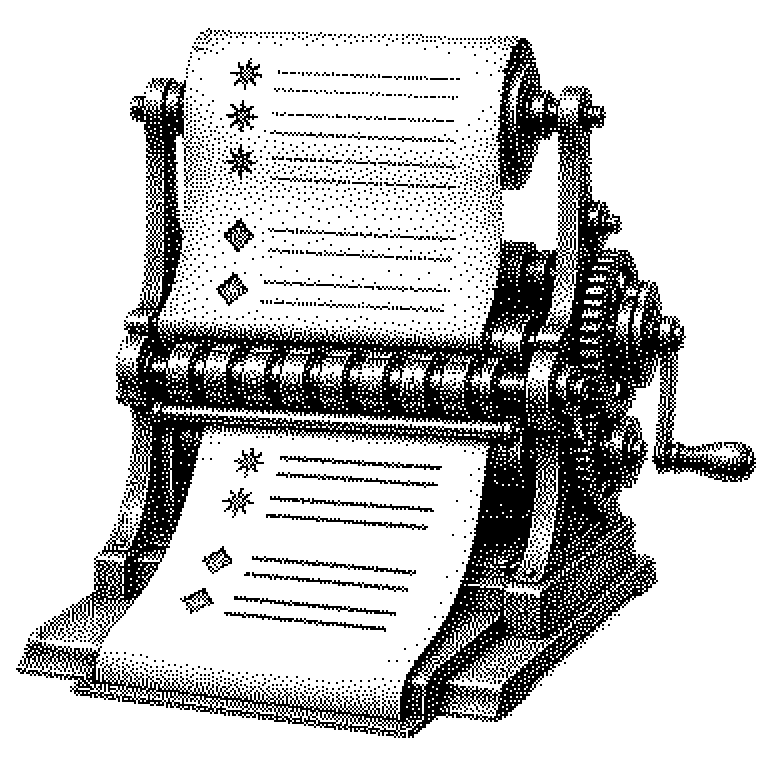
Markdown is a way of structuring text without pressing buttons in a word processor. Instead of clicking a heading style, you type a hash sign in front of it. Instead of clicking 'bold', you put two asterisks around the word. These characters are instructions, but they barely get in the way of reading. That was exactly the idea of its creators, John Gruber and Aaron Swartz, back in 2004: a file should remain understandable even if no one displays it formatted. A program can later turn the same text into a clean webpage or a PDF.
Why so many tools rely on Markdown
A Word file is complicated on the inside. Besides the text, it contains fonts, layout information, and a lot of technical overhead. Open it with the wrong program, and you get garbled characters. A Markdown file, by contrast, is plain text. Every device and every program can open it, today and in twenty years.
That makes Markdown especially attractive to software developers. They manage their texts with the same tools they use for their program code. Such tools show precisely which line someone has changed. That works cleanly with plain text, but not with a Word file. That’s why almost every guide to a programming project comes as a Markdown file, usually named README.md.
A second reason is writing speed. Your hands stay on the keyboard, there are no menus and no mouse. Anyone who writes a lot gets used to it quickly. And because Markdown can do so little, there’s also little to worry about when it comes to layout.
The most important characters and what becomes of them
The rules practically fit on a beer coaster. A hash sign at the start of a line creates a heading, two hash signs create a smaller subheading. Asterisks or hyphens at the start of a line make a list. Two asterisks around a word mean bold, a single asterisk means italic. A link is created like this: the visible text in square brackets, immediately followed by the address in round brackets.
A program, the so-called parser, reads through this file character by character. It recognizes the patterns and translates them into HTML, the language webpages are made of. Two hash signs then internally become a second-order heading. The browser shows the reader only the result. Markdown, then, is not a final format but a convenient intermediate stage.
A common misconception: that Markdown is the same everywhere. That’s not true. The original 2004 description left many cases open, so platforms developed their own extensions for tables or checklists. The CommonMark standard has been trying since 2014 to narrow down the differences. For everyday use, it’s enough to know: the basic characters work everywhere, special ones not necessarily.
From chatbot replies to note-taking apps
Today, Markdown is probably encountered most often in AI chatbot replies. When ChatGPT or a comparable system delivers an answer with subheadings and bullet points, the model generates Markdown behind the scenes. The interface immediately converts it into nice formatting. If you copy the answer into a plain text field, you suddenly see the asterisks. That’s exactly the raw Markdown text.
Many tools outside the AI world also use the format. Note-taking apps like Obsidian or Notion store content this way, and the developer platform GitHub automatically displays Markdown files formatted. In chats like Discord or WhatsApp, at least some of the characters work. Anyone who puts asterisks around a word there gets bold text.
In news about AI, Markdown usually appears as a side note, for instance when a company explains in what format a model delivers its outputs. It’s important to distinguish it from JSON: JSON structures data for machines, Markdown structures text for humans. Both are plain text, but they pursue different goals.