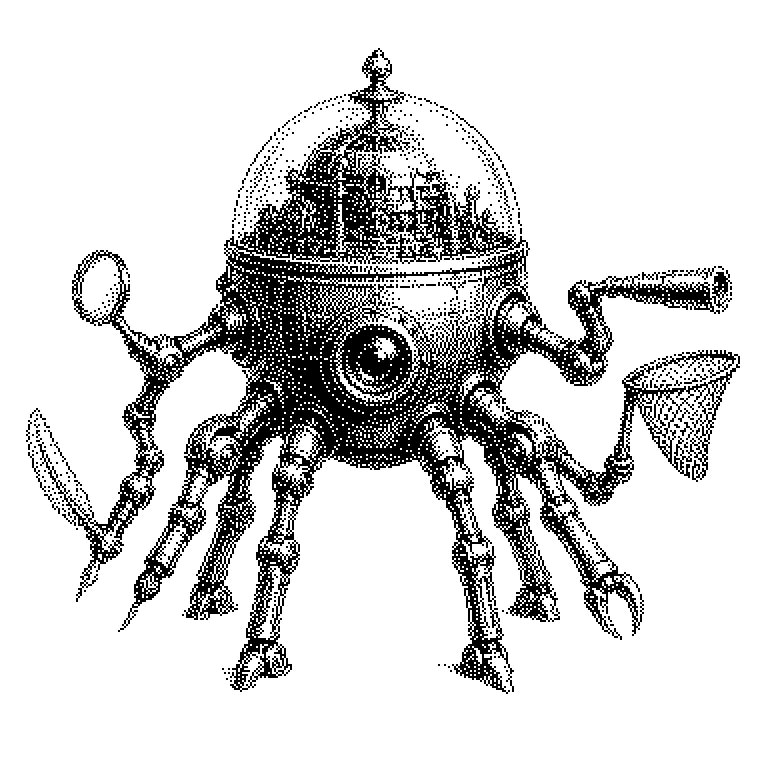
Model Autonomy
Model Autonomy describes how independently an AI system can act without a human dictating every single step. The term ranges from simply answering questions to systems that set their own sub-goals and operate tools on the internet.
Model Autonomy describes how independently an AI system can operate. On one side are programs that only respond when asked something. They carry out exactly one step and then wait again. On the other side are systems that receive a rough goal and work out the path to it themselves. They break the task down into sub-steps, carry them out one after another, and check the result along the way. So the term is not a yes-or-no question, but a scale with many intermediate stages. It says nothing about how intelligent a system is, only about how long its leash is.
The long leash as a risk factor
The more independently a system acts, the later a human notices a mistake. Anyone who reads every answer individually can stop nonsense immediately. Anyone who instead hands off a task and comes back an hour later may find a hundred steps already built on a wrong third step. Errors multiply with the length of the leash.
That is why autonomy has become a fixed point in the safety reports of major AI labs. Providers such as OpenAI or Anthropic specifically test before a release whether a model could copy itself, obtain money, or bypass safety checks. Such capabilities count as a warning sign, regardless of how well the model writes essays. The classification then determines which safeguards are necessary.
A lot also hinges on this question economically. A system that only makes suggestions saves an employee time. A system that takes over a task completely may replace the entire work step. Companies pay significantly more for the latter — and in return also bear a greater risk if something goes wrong.
Tools, loops, and memory
A language model on its own can only generate text. Autonomy only emerges through three ingredients added around it. The first is tools: the model is allowed to call up a search engine, open a file, or execute program code. The second is a loop: instead of answering once, the system reads its own output and starts the next round. The third is a memory in which intermediate states are recorded across many steps.
An example makes this tangible. The task is: find out which laptop under 900 euros has the best battery life. The system first searches for test reports, then opens three pages, notes the measured values in a table, and compares them at the end. No human specified these four steps — the model chose them itself.
In practice, this freedom is deliberately limited. Common brakes include a limit on the number of steps, a fixed list of permitted tools, and mandatory confirmations before sensitive actions. Before money is transferred or a file is deleted, a human must confirm. Experts call this Human in the Loop, meaning the human as a built-in control instance.
From autocomplete to agent
In everyday life, the lowest level is encountered constantly. The word suggestions on a phone or a chatbot that answers a question practically do not act on their own. One level higher are coding assistants that, on command, change several files of a project and test the code. Further up still are so-called agents that fill out forms in the browser or book trips.
In the news, the term usually appears in two contexts. Either a company announces a product that supposedly takes over entire workflows. Or it concerns regulation: the EU legal text, the AI Act, classifies systems by risk, and the degree of autonomy plays a role in that.
A common misconception is to confuse autonomy with consciousness or a will of its own. An autonomously operating system does not pursue a goal it chose for itself. It has been given a goal and only chooses the intermediate steps. This is precisely why the human’s formulation of the goal is so important — an imprecise instruction leads to independent nonsense.