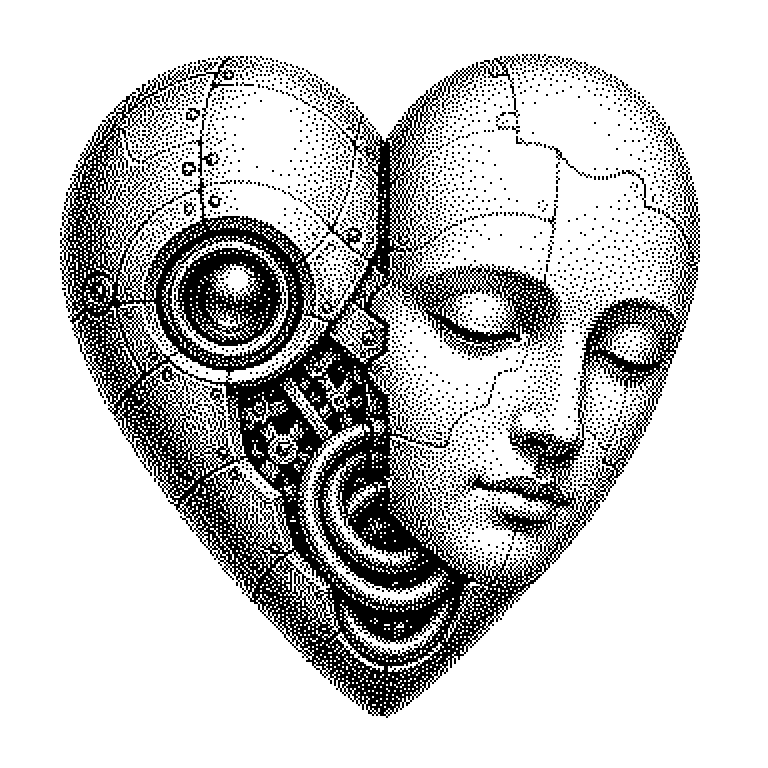
Model Empathy
Model Empathy refers to the ability of an AI system to recognize human feelings and intentions and to respond to them appropriately. The system itself feels nothing, but generates responses that appear empathetic to humans.
When you write to a chat program that you just failed an important exam, you rarely get a purely factual answer. Usually you first get a sentence like “That sounds frustrating.” This is exactly what the term Model Empathy refers to. The program recognizes from your words what mood you’re likely in and adjusts its response accordingly. There’s an important distinction here that’s easy to overlook: the system has no feelings. It has learned from huge amounts of human text which response is typically appropriate in such a situation.
Why providers argue over the right tone
Tone helps determine whether people listen to a system at all. Medical information that sounds cold and dismissive is more likely to be ignored. The same information delivered in a calm, attentive tone is more likely to be followed. That’s why providers of AI assistants now test conversational tone just as carefully as factual accuracy.
At the same time, this carries a risk. A system that always sounds understanding appears more trustworthy than it actually is. Users then tell it things they would never otherwise confide to a company. Experts call this a form of overtrust. It arises especially easily in people who are lonely or going through a crisis.
A second problem is called sycophancy, or excessive flattery. A model trained to seem pleasant agrees with users too readily. It then even confirms false claims just to avoid upsetting anyone. Several providers have had to roll back updates because their assistants had tipped exactly in this direction. Friendliness and honesty are in genuine tension here.
How empathetic responses come about
The foundation is ordinary language training. A model reads billions of sentences and learns from them which words typically follow one another. In the process, it also picks up on how humans respond to grief, anger, or joy. Emotional language is, at first, just a pattern like any other to the model.
The fine-tuning comes from a second phase: training with human feedback. Test subjects are given several possible responses and choose the best one. Responses that sound attentive and respectful are regularly preferred. The model is then adjusted so that it produces such phrasing more often. This is precisely where the empathetic tone that users later notice comes from.
On top of this come fixed written instructions, the so-called system prompt. It states, for example, that the model should point to help resources if there are signs of psychological distress. Such rules are not understanding, but instruction. The difference from genuine compassion remains, even if the result often sounds deceptively similar.
From customer service to the care ward
You most often encounter Model Empathy in customer service. Chatbots from banks, insurers, and online shops are designed to calm complaints. They detect from word choice and sentence structure whether someone is upset and forward difficult cases to humans. Companies save money this way, but risk backlash if the tone feels inappropriate.
A second field is health and education. There are apps that offer conversations for anxiety, and learning programs that respond to frustration. In several studies, patients rated written responses from AI systems as more empathetic than those from real doctors. This was mainly because the systems had more time and used more words.
In the news, the term mostly comes up in connection with regulation. The EU AI Act bans systems that automatically assess emotions in the workplace or in schools. AI companions for young people are also under scrutiny. Anyone reading about Model Empathy should therefore always ask who actually benefits from that empathetic tone.