Content Supply Chain
The Content Supply Chain is the complete path of an advertising or marketing content from the initial idea to its delivery to the audience. The term transfers thinking from factory logistics onto texts, images, and videos – and today describes above all the points at which software and AI accelerate this process.
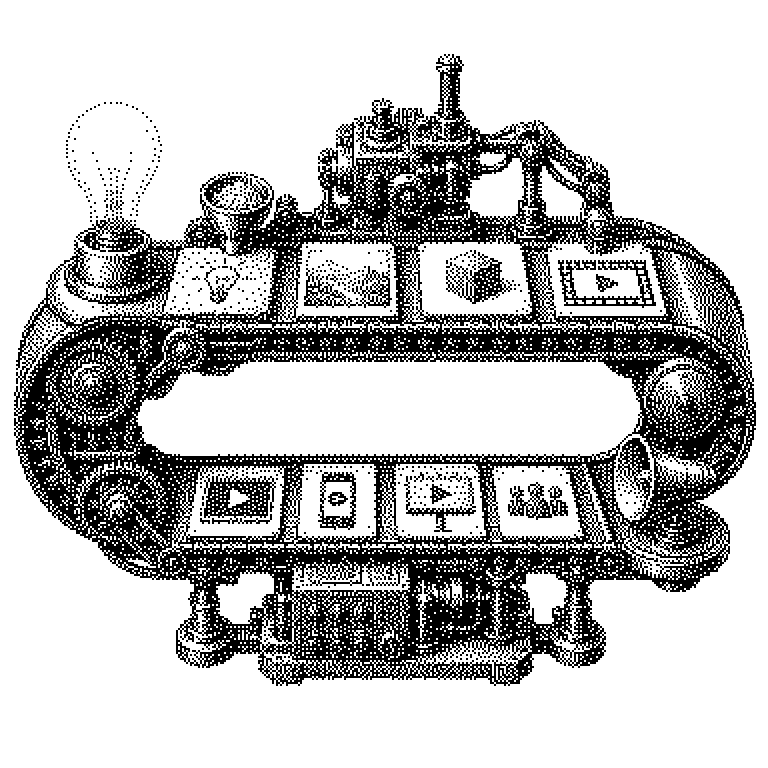
A car manufacturer launches a new model onto the market. For this, it doesn’t need one advertising image, but several thousand: for Instagram in portrait format, for the website in landscape format, in 30 languages, with different price information per country. The path from the initial idea to these finished, delivered files is called the Content Supply Chain. The term is borrowed from industry: there, a supply chain describes how a product travels from raw material through the factory to the shelf. In the same way, the production of texts, images, and videos can be viewed as a chain of work steps that must mesh together.
Why marketing departments are suffocating under this chain
The amount of content needed has grown sharply in recent years. A company today no longer just serves television and newspapers, but a dozen platforms, each with its own formats. Every platform wants different image sizes, different text lengths, different tonality. A single campaign quickly turns into several thousand individual ad assets.
The problem is rarely creativity, but organization. Marketing departments regularly report that the largest share of time is spent on coordination, searching, and approvals, not on the actual design work. Files sit on five different drives, and no one knows which version is the current one. A finished image can’t be found again and so gets produced a second time.
This is precisely why the term is economically interesting. Software companies like Adobe, Salesforce, or Sprinklr sell systems meant to bring order to this chain, and they use the term in their quarterly earnings and press releases. Anyone who understands the Content Supply Chain understands better what such companies base their growth promises on.
The stages from idea to ad delivery
At the beginning stands planning: which campaign runs when, which target audience, which budget? Next comes production, meaning writing, photography, and design. Then comes approval, where the legal department and brand managers check whether everything is correct and compliant. Finally, the finished files are managed, delivered, and their impact measured.
This is held together by two building blocks. One is a Digital Asset Management system, or DAM for short – a central archive in which every file is stored with tags and usage rights. The other is a workflow system that automatically passes tasks along: once a text is approved, it lands with the graphic designer without anyone having to call out.
AI now intervenes at several of these stations. Generative models produce image variants or text versions instead of them being built individually by hand. Other systems automatically tag archive images so that they remain findable at all. The distinction matters here: AI does not replace the chain, it accelerates individual links. Human approval remains the bottleneck, because no one wants to hand off legal responsibility to a model.
The term in quarterly reports and job postings
In business news, the term mainly appears when software makers introduce new products. Adobe has spread the term widely with its AI tools and uses it to sell several programs as one cohesive package. Analysts ask at earnings calls how much revenue is actually being generated by it.
The word also turns up in job postings. Companies are looking for people who coordinate processes between agencies, the legal department, and marketing – often under titles like Content Operations Manager. This shows that it is less a technology than a way of working, for which technology exists.
A common misconception is that this is about quality. The Content Supply Chain primarily measures speed, cost, and reuse. It does not determine whether a campaign is good. Critics therefore warn that a highly efficient chain mainly produces a great deal of interchangeable content.