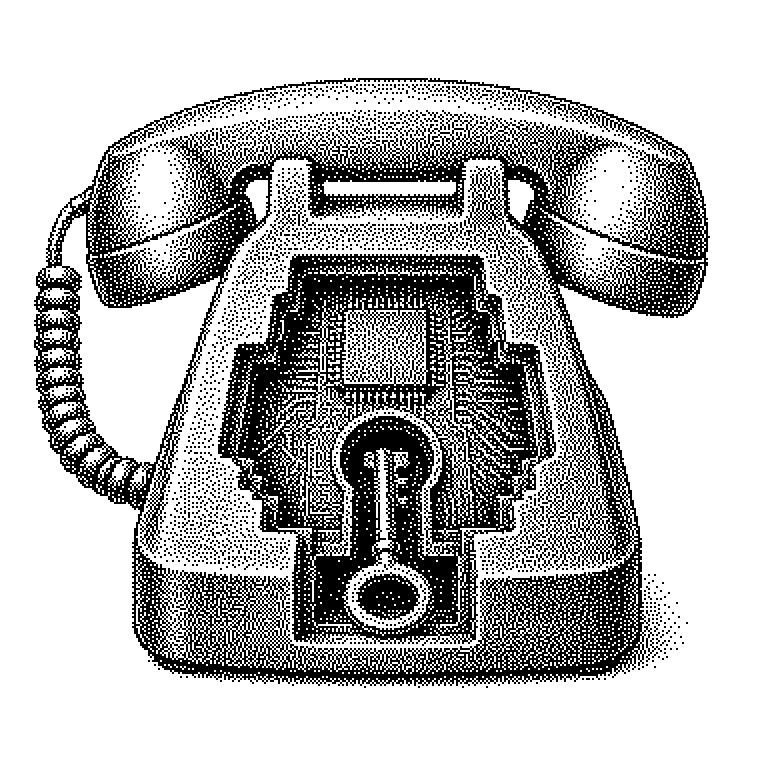
Clipper Chip
The Clipper Chip was an encryption chip for telephones introduced by the US government in 1993, intended to keep calls secret – but with a built-in duplicate key for authorities. After massive criticism from experts and civil rights advocates, the project failed in 1996, and it is still regarded today as a textbook example of the debate over government backdoors.
The Clipper Chip was a small special-purpose chip that the US government wanted to have built into telephones in 1993. It was meant to encrypt calls, making them so unreadable that eavesdroppers would only hear noise. Only the other party with the matching digital key could make the call intelligible again. The crucial point: a copy of every key existed, split up and deposited with two US government agencies. With a court order, police and intelligence agencies could combine the two halves and listen in. Encryption for everyone, but with a government duplicate key – that was the idea.
The dispute over the government duplicate key
The Clipper Chip triggered one of the fiercest political conflicts of the early internet era. Until then, strong encryption had been treated almost like a weapon in the US and could barely be exported. But with the rise of email and online commerce, it became indispensable for everyday life and the economy. The proposal was the government’s answer: yes to encryption, but only with access for authorities.
Civil rights groups and experts protested vehemently. Their main argument was technical, not political: a backdoor does not remain open only to those it was intended for. Wherever a duplicate key exists, it can be stolen, extorted, or misused. Security cannot be selectively weakened – a system is either secure or it isn’t.
This conflict went down in history as the first “Crypto War.” It ended in defeat for the government: in 1996 the project was abandoned, and export rules for encryption were relaxed. Without this outcome, there would probably be no everyday encrypted online banking today.
Key halves in government custody
Technically, the chip consisted of two parts. One encrypted the call using a method called Skipjack, developed by the NSA. The other part handled the deposit of the key, known in technical jargon as key escrow – escrow meaning held in trust. Each chip also carried its own permanently burned-in identifier and a device key.
With every call, the chip transmitted a small data packet from which the call key could be derived – but only with the device key. That key was held in two halves by two separate agencies. Only when both released their half was the complete key obtained. This split was meant to prevent any single agency from secretly listening in.
A particular point of criticism was the secrecy surrounding Skipjack. No one outside the agencies was allowed to verify whether the method was actually secure. In cryptography, however, the opposite is considered a hallmark of quality: a method should be openly published and unsuccessfully attacked by as many experts as possible. Researcher Matt Blaze also found a flaw in 1994 that could be used to trick the escrow system and use the chip without the duplicate key.
Why the chip still comes up in today’s debates
You will not encounter the Clipper Chip physically anywhere anymore. Only a few devices were ever built, and hardly anyone bought them. As an argument, however, it lives on: whenever governments demand access to encrypted communication, it is cited as a warning.
Such demands arise regularly. In the EU, there have been proposals for years to scan messenger messages before they are encrypted on the phone, usually justified by the fight against abuse imagery. The dispute between Apple and the FBI over a locked iPhone was also, at its core, about the same question. The technical term for this today is backdoor.
A common misconception is that the Clipper Chip failed because of privacy concerns. In fact, it failed above all because of the market and the technology: companies did not want to sell devices with a government duplicate key, and security researchers found weaknesses. This is exactly the lesson for today’s news debates. A backdoor remains a risk, no matter how well-intentioned it is.