Class A Common Stock
A Class A common stock is a share class that grants investors fewer or more voting rights than other classes of the same company. Such multi-class structures allow founders to raise capital while still retaining control over their company.
When a company goes public, it doesn’t have to make all shares equal. It can issue different classes that differ on one crucial point: voting rights. A Class A common stock is one such class. It gives the holder the right to take part in shareholder votes — for example, on the election of the board or important corporate decisions. How much a vote in this class actually counts for depends on how the company has structured its share system. In some cases, Class A is the stronger class, in others the weaker one — the term alone says nothing about where the power actually lies.
Why companies separate share classes
The classic problem with going public is this: a founder needs outside money but doesn’t want to give up control. If they issue too many equal-value shares, outside investors can outvote them with their majority of votes. Multi-class share systems solve this problem elegantly.
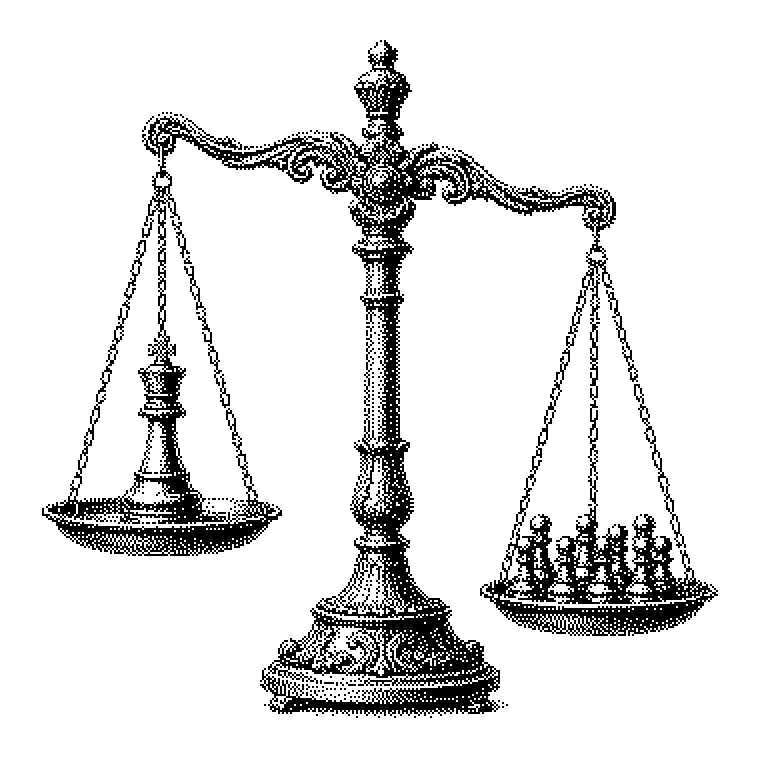
A typical model looks like this: founders hold Class B shares with ten votes each. Ordinary investors on the stock market buy Class A shares with only one vote. The company raises billions, yet the founder retains decision-making power — even if, numerically, they only own a minority of the shares. Google parent Alphabet, Meta, and Snap are well-known examples of exactly this model.
Proponents argue that this allows founders to make long-term decisions without having to worry about the next quarterly report. Critics counter that investors get little say for their money — a power imbalance that can lead to unchecked behavior.
How voting rights are distributed in practice
There is no legally fixed scheme for what a Class A share must deliver. Each company sets the rules itself in its articles of incorporation. Some companies reverse the system: there, Class A has more voting rights than Class B. What always matters is a look at the rulebook, not the letter designation.
Berkshire Hathaway, Warren Buffett’s holding company, is a vivid example of a different variant. There, a Class A share costs several hundred thousand dollars and carries full voting rights. A Class B share is worth a fraction of that and correspondingly has less influence. Here, the difference serves less to secure the founder’s power and more to separate institutional from retail investors.
It’s also important to note that voting rights and economic participation can develop independently of each other. Someone who holds only Class A shares without voting rights still benefits equally from share price gains and dividends. Giving up a say therefore affects control, not the financial share in the company’s success.
Class A shares in the news
In financial news, the term usually comes up when a tech company goes public. Journalists then explain that investors can indeed buy shares, but still have no say over the founder. Class structure also plays a role in takeover discussions: if someone wants to acquire a company, they need a majority of votes — which they may never get, no matter how many Class A shares they buy.
Regulators and stock exchanges have been debating for years whether such structures are fair. The German stock market has a related instrument: the non-voting preferred share. It works similarly, but has grown historically and was less deliberately designed as a means of protecting power. In the US and in the London listings of many tech firms, by contrast, multi-class systems have been explicitly marketed as founder-friendly.
Anyone reading news about companies like Alphabet, Snap, or Lyft should therefore always check which share class is meant — and what the voting rights structure reveals about the real power dynamics within the company.