Cross-Platform Framework
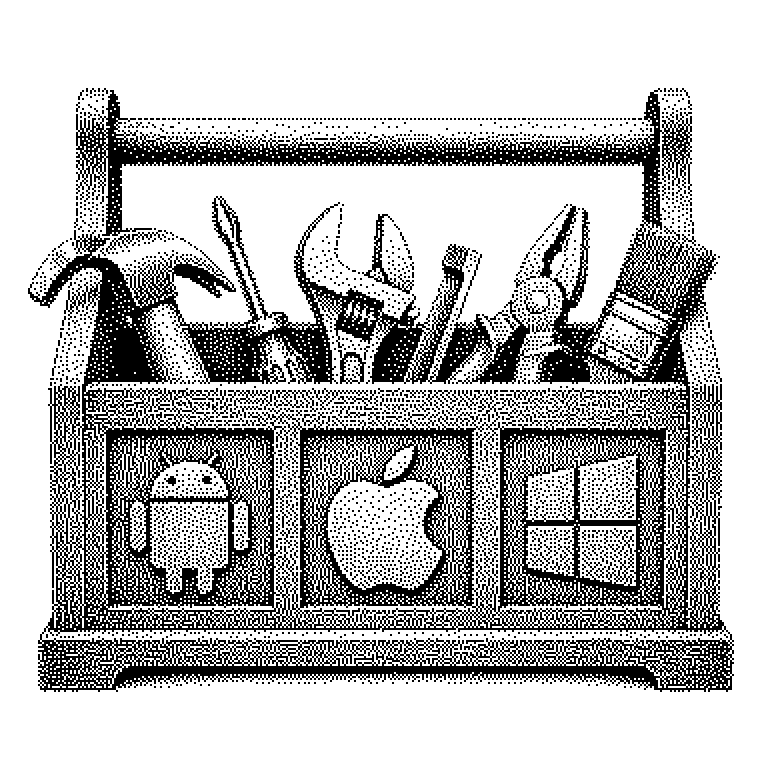
A cross-platform framework is a toolkit for developers that lets them write an app once and then release it on multiple operating systems simultaneously. This saves time and money because no separate code needs to be created for Android, iOS, or Windows.
Anyone developing an app faces a problem: Android, iOS, and Windows each only understand code that was specifically written for them. Without any tools, you would need three separate development teams for the same product. A cross-platform framework solves this problem. It is a collection of tools and rules that allows an app to be programmed once and then run on multiple operating systems. The developer writes their code in a common language, and the framework takes care of the translation.
Why one code base for all platforms makes such a difference
Without a cross-platform approach, every feature has to be built twice or three times — once for each operating system. This costs time, money, and easily leads to errors. When a team fixes a bug, the same fix often has to be manually carried over into every version.
For small teams or start-ups, this is especially critical. A handful of developers can build an app with a cross-platform framework that would otherwise require a traditional team three times the size. This explains why these frameworks are so widespread in practice.
There is, however, a trade-off: native apps — that is, apps written exclusively for one operating system — exploit the particularities of their system down to the last detail. Cross-platform apps are sometimes a small step slower or don’t feel quite as “native.” This difference shrinks with every generation of frameworks, but it has not yet completely disappeared.
How the code runs on multiple systems at once
Different frameworks solve this technically in different ways. With Flutter, a framework from Google, the entire content of the app is drawn by its own graphics engine — the operating system merely provides the blank canvas. As a result, the app looks identical on Android and iOS, because it doesn’t rely on the system’s built-in rendering tools at all.
React Native, which is built on the JavaScript ecosystem — the language behind almost all websites — takes a different approach. Here, the framework translates the developer’s instructions into real, native building blocks at runtime. The user interface then consists of the same elements as a native app; only the development process was cross-platform.
What all approaches have in common is an abstraction layer — a kind of intermediary that sits between the shared code and the respective operating system. The better this layer is built, the less the user ultimately notices that the app isn’t purely native.
Which apps already run on these frameworks today
Many apps used millions of times every day are built with cross-platform frameworks. BMW's payment app, parts of the Microsoft Office suite on smartphones, and the customer area of several banks run on Flutter or React Native. Even LinkedIn and Discord have converted parts of their mobile apps to React Native.
The topic often comes up in tech news when a major company announces it is abandoning its native app to switch to a cross-platform framework — or conversely, when a company like Airbnb publicly explains, after years, why it has moved away from React Native again. Both decisions are newsworthy because each affects millions of users.
Cross-platform frameworks are also playing a growing role in AI. AI features such as speech recognition or image description are often built as unified libraries that can be embedded directly into apps via such frameworks — regardless of whether the user is holding an Android device or an iPhone.