Toolchain
A toolchain is a fixed sequence of programs that work on the same task one after another, each passing its results on to the next program. The term comes from software development and today also describes the tool chains used to build and operate AI models.
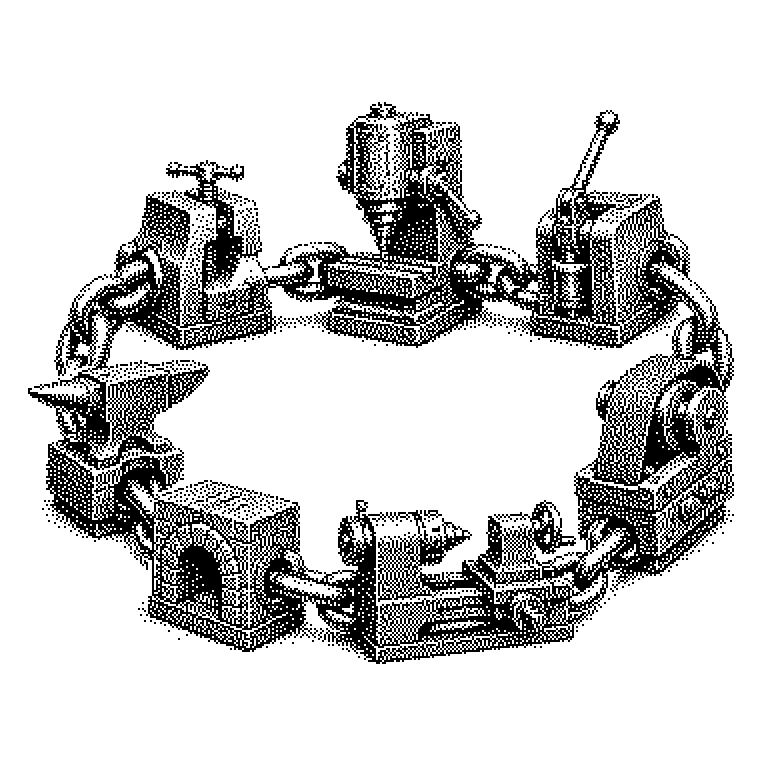
A toolchain is a chain of programs that carry out a task in fixed steps. Each program takes the result of the previous one and passes on its own result. Another word for it is tool chain. You can picture it like a kitchen: first a device cuts the vegetables, then a pot cooks them, then someone plates the food. No single device can prepare a meal on its own, but in the right order a dish emerges. In the same way, a toolchain is more than the sum of its individual programs: what matters is that they fit together cleanly.
The difference between a tool and a chain
A single tool is usually quick to replace. Switching an entire chain, on the other hand, is laborious, because every transition has to be tested anew. That is why experts talk so often about toolchains rather than individual programs. Whoever chooses a chain commits themselves for years.
For companies, this is an economic question. Firms like Nvidia sell not only chips but also supply the matching software tool chain. If developers work with it for years, switching to a competitor becomes expensive, even if the other chip were faster. This effect is called lock-in: you are tied to a provider without any contract forcing it.
Conversely, a good toolchain is a genuine productivity gain. Errors are caught earlier, because each step is checked. New team members get up to speed faster, because the process is always the same.
How the links fit together
Classically, a toolchain describes the path from written program text to a runnable program. First, an editor checks the spelling. Then a compiler translates the text into the language the processor understands. A linker combines the individual translated parts into one file. Finally, test programs search for errors.
For this to work, the interfaces have to match. An interface is the agreed-upon form in which a program hands over its results. If it doesn’t fit, the chain breaks at that point. Many toolchains therefore specify exactly which version of which tool is used.
With AI, the chain looks different but follows the same principle. At the start are tools that collect and sort data. Then come programs for training, meaning the model learning from examples. Next follow tools that measure quality. At the end is the software that deploys the finished model on servers and monitors it there.
Toolchains in AI news and on your own computer
In business news, the term usually comes up in connection with chipmakers. Nvidia’s tool chain built around the CUDA software is considered the most important reason for the company’s lead. Competitors like AMD build technically comparable chips but struggle to offer an equally mature chain. When a report speaks of an open software ecosystem, it is almost always about this point.
You also encounter toolchains in everyday life without noticing them. Every app on a phone has gone through such a chain before landing in the store. Anyone learning to program themselves typically installs a package consisting of an editor, a translator, and a testing tool. That very package is a toolchain.
A common misconception: toolchain and platform are not the same thing. A platform is the place where something runs, such as a cloud service. The toolchain is the path that gets you there. You can use the same chain for different platforms, as long as the interfaces allow it.