Toolflation
Toolflation describes how companies and individuals accumulate more and more digital programs and services without actually using all of them. The costs and effort involved grow faster than the benefit.
Toolflation is a made-up word combining the English “tool” and “inflation”, meaning a steady increase. It refers to the growing number of digital programs that a company or an individual uses in everyday work. For every small task, a new service gets added: one for notes, one for chats, one for to-do lists, one for video calls. Each individual program seems useful and costs little. Added together, however, they create high costs, many passwords, and a mess in which nobody knows anymore where which piece of information is stored. The term is not an official metric but a description of a pattern that occurs in many companies.
When the tool collection becomes more expensive than the work
Digital programs are nowadays mostly sold as subscriptions. You pay monthly per person, often between five and thirty euros. Individually this hardly stands out, which is why departments frequently order such services without much scrutiny. At a company with three hundred employees and forty different programs, this quickly adds up to amounts in the six-figure range per year.
The actual problem, however, is not just the bills. Every additional program means onboarding, maintenance, and yet another place where data resides. Studies by major software providers regularly report that a significant portion of paid access licenses remains unused for months. Such unused accounts are also called shadow software, because the IT department often has no idea they even exist.
On top of that comes an effect that is hard to measure: attention. Anyone jumping back and forth between seven programs loses time and makes more mistakes. The benefit of the thirty-first tool is therefore often smaller than the damage caused by the additional confusion.
How the collection keeps growing
Toolflation usually does not arise from one wrong decision, but from many small correct ones. A team needs a solution quickly and finds a service online that is ready to use immediately. A credit card is enough to sign up; no approval is needed. Later, the team changes its way of working, but the subscription keeps running because nobody is responsible for canceling it.
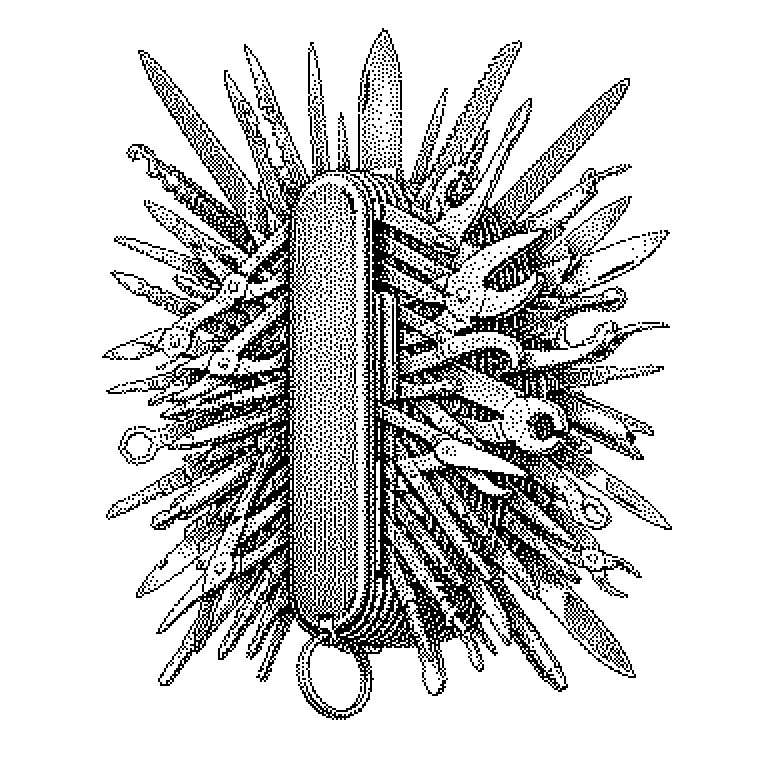
A comparison illustrates this well. In a workshop, every employee buys their own wrench because the walk to the shared tool cabinet is too far. After two years, a hundred wrenches hang on the walls, many of them the same size. No single purchase was unreasonable, yet the result is nonsensical.
AI programs have recently accelerated this process. Since 2023, new services for text, images, summaries, or program code have been appearing almost weekly. Because providers offer free trial periods, the barrier to entry is very low. Some experts now speak of a distinct AI toolflation.
Toolflation in companies, the news, and on your own phone
The term appears in business news when companies want to cut their software costs. You then read about “consolidation”: the company reviews all subscriptions and replaces ten individual services with one larger platform. Providers themselves also use the word in marketing, to present their own product as the solution to the chaos. This advertising logic should be viewed critically, since the platform ultimately is just another program.
The pattern also occurs on a small scale. Anyone who has four note-taking apps and three learning apps on their phone and does not regularly open any of them experiences exactly the same thing. The time spent setting up and comparing apps is missing from actual learning or work.
It is important to distinguish this from a related term: technical debt refers to poorly built software that is expensive to fix later. Toolflation, on the other hand, concerns the sheer quantity of programs, even if each one individually works well. A common misconception is also to treat toolflation as purely a cost-saving issue. The greater benefit of cleaning up usually lies in clearer workflows and less scattered data.