Tool Use
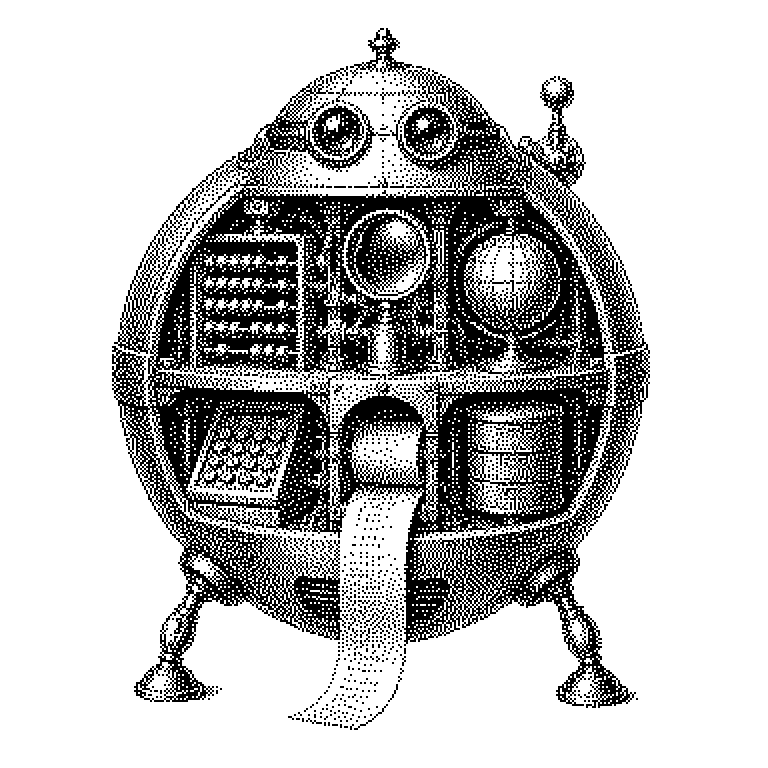
Tool Use means that an AI program doesn't just write text, but additionally calls on external helper programs — such as a calculator, a search engine, or a database. The AI itself recognizes when it needs such help and incorporates the result into its response.
Programs like ChatGPT are trained to generate text. They predict, word by word, what would fit as a response. They cannot reliably do things like calculating, entering appointments, or checking current news. Tool Use solves this problem: the program is allowed to ask other programs for help. To do this, it writes a kind of order slip, for example “calculate 17 times 4831”. A separate helper program carries out the task and sends the result back. Only then does the AI formulate its answer for the human.
Why pure text knowledge isn’t enough
A language model has learned its knowledge from texts written before a certain point in time. It doesn’t know what happened after that. Without tools, it can therefore only guess today’s exchange rate. And when it guesses, the answer still sounds confident. These invented but convincingly phrased statements are called hallucinations.
Tool Use shifts responsibility to where it belongs. Numbers come from the calculator, facts from a database, current news from a search. The AI only has to decide which tool fits and then explain the result in an understandable way. This makes answers considerably more verifiable, because you can see the source.
An even more important point is this: without tools, a model can only talk. With tools, it can act. It can send an email, modify a file, or trigger an order. This is exactly what the so-called AI agents build on — systems that work through a task over several steps on their own. Tool Use is the foundation for this.
The order slip and who carries it out
At the start of a conversation, the model receives a list of available tools. For each tool, it’s noted what it does and what information it needs. A weather tool, for instance, needs a location name and a date. The model reads this description like an instruction manual.
If someone asks about the weather in Hamburg, the model doesn’t generate a normal sentence. It generates a structured call, something like: tool “weather”, location “Hamburg”. Importantly, the model doesn’t execute this call itself. It merely proposes it. The surrounding software takes the proposal, starts the actual tool, and delivers the result back into the conversation. Then things continue as if the model had known the value all along.
This cycle can repeat several times. A model may first search, then calculate, then write a table. This ability is trained using many examples of correct and incorrect calls. Errors remain possible, though: the model sometimes picks the wrong tool, forgets a piece of information, or doesn’t call one at all even though it would be necessary. That’s why developers check such calls before execution, especially if they could cost money or delete data.
Tool Use in chatbots, phones, and enterprise software
Anyone using a modern chatbot sees Tool Use constantly, even if it isn’t called that. Notes like “Searching the web” or “Running code” are exactly this. Image generation within the chat window works the same way: the language model hands over a description to an image program. Voice assistants on phones use the same principle when setting an alarm.
In companies, Tool Use is the reason AI can access internal data at all. A customer service assistant calls up the order database instead of inventing delivery times. In news about tech companies, the terms Function Calling or Tool Calling often appear for this. They mean the same thing.
Since 2024, there have also been efforts toward common standards so that not every model needs its own custom connections. The Model Context Protocol is well known, a kind of universal plug between AI and tools. This is interesting for investors because it determines how easily companies can connect their systems to an AI model. The easier this is, the faster AI moves out of the chat window and into real workflows.