Likeness Rights
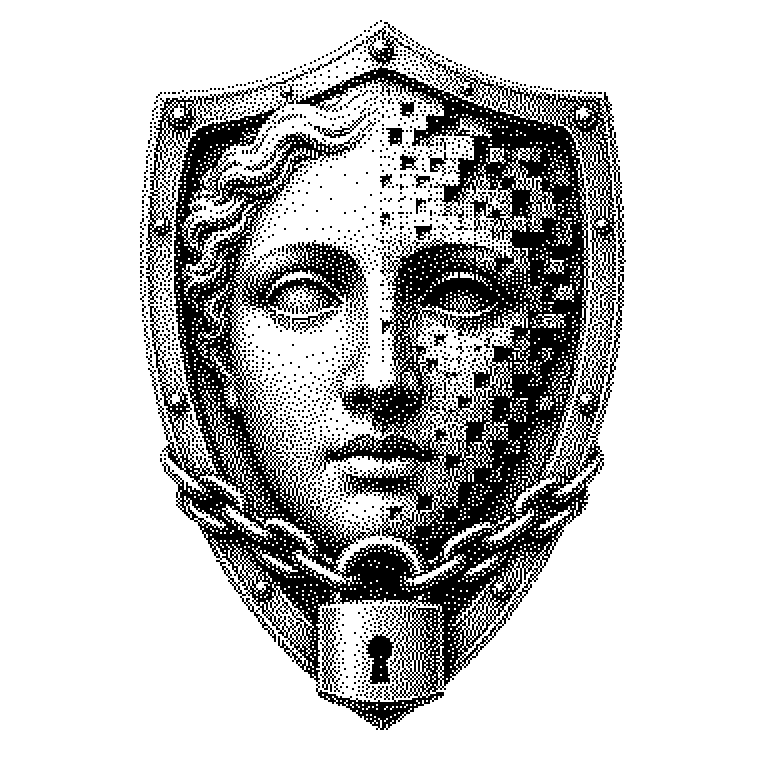
Likeness rights are a person's rights to their own appearance, voice, and name. They determine who may commercially use a face or voice — and have become a central battleground due to AI-generated fakes.
Every person has a particular appearance, a particular voice, and a name. Together, these features form their recognizable identity. Likeness rights are the legal claims a person has over this identity. Put simply: without permission, no one may use my face or my voice to make money from it. The English word “likeness” roughly means “image” or “resemblance.” In Germany, these claims are anchored in the general right of personality and the right to one’s own image; in the US, they are usually covered by the so-called Right of Publicity.
Why AI fakes have reignited the debate
For a long time, this topic was mainly relevant to celebrities. Anyone who put a photo of a football star on a billboard needed a contract and had to pay money. For everyone else, the risk was low, because imitating a face was expensive and laborious. That very natural barrier has now disappeared.
Today, a few minutes of audio recording are enough to artificially recreate a voice. From a handful of photos, a video can be created in which a person says things they never actually said. Such fakes are called deepfakes: computer-generated images or sounds that imitate real recordings. It’s no longer just stars who are affected, but also teachers, classmates, or employees.
That’s why likeness rights now concern two different things. On the one hand, money: who profits from my face? On the other hand, protection from reputational harm, for example when a faked voice appears in a scam call. Both questions are increasingly ending up in court.
What the law protects — and where it ends
At its core is consent. Anyone who provides their appearance for advertising, a game, or a film grants a specific use, usually in writing and for payment. If this permission is missing, the affected person can demand an injunction — that is, the deletion and halting of the publication. Damages are often added on top.
There are exceptions, however, and they matter. Reporting on real events is permitted, even without the consent of the people depicted. The same applies to satire, art, and criticism. A newspaper photo from a demonstration is therefore permissible, while the same photo on a beer can would not be. The line runs roughly between information and commercial exploitation.
A common misconception: it doesn’t matter whether an actual recording was used. What matters is whether the audience recognizes the person. A drawn character or an artificial voice that sounds very similar can violate likeness rights just as much as an original photo. That’s why the argument “it’s just AI-generated” carries little legal weight. Related but not identical is copyright: it protects the photographer’s rights to their image, not the depicted person’s rights to their own face.
From Hollywood strikes to the class chat
In the news, likeness rights regularly come up in connection with strikes by actors and voice actors. A central point of contention there was whether studios may scan a performer’s likeness and later reuse it however they wish. Musicians also sue when their voice appears in AI-generated songs. Some celebrities take the opposite approach and sell licenses for their digital copy.
In products, you encounter this topic in the form of rules and warning notices. Video platforms require labeling for artificially generated people. Providers of voice software demand proof that the speaker has consented. Such requirements are not a side issue but a cost factor for entire business models.
And it also affects everyday life without the spotlight. Anyone who turns a photo of a classmate into a mocking AI video and forwards it violates that person’s rights. The fact that the app was free and the video was meant as a joke changes nothing. The affected person can demand deletion, and in serious cases further consequences may follow.