Lame Duck Session
A lame duck session is the sitting period of a parliament or government after an election has taken place but before the newly elected officeholders have taken office. During this time, the still-serving, often voted-out politicians can formally still pass laws and make decisions – even though their democratic legitimacy has already expired.
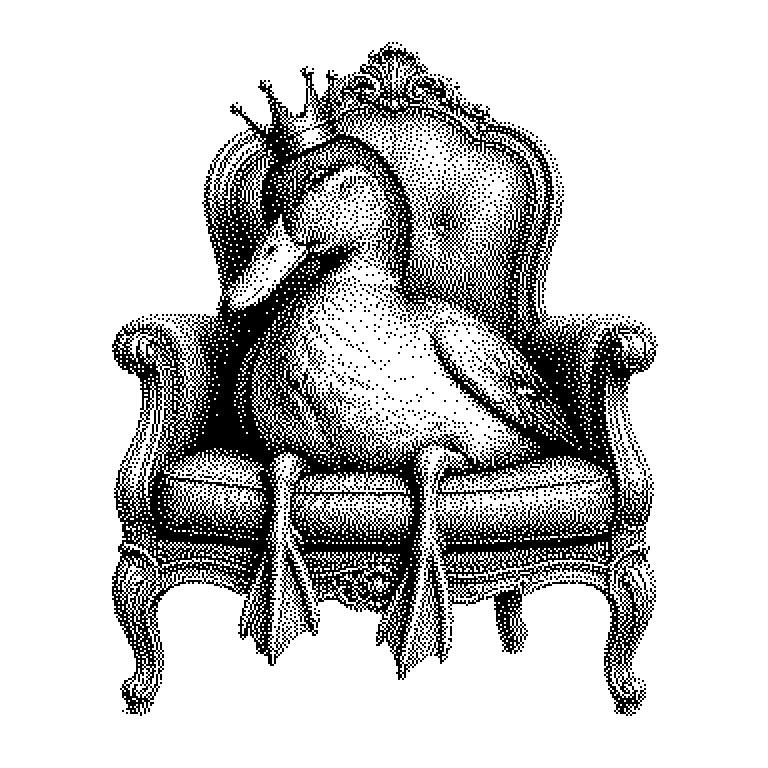
A lame duck session is the period of time in which a government or parliament is still in office even though the election has already taken place and the successor has been determined. The English term “lame duck” literally means a duck that is lame – an image for someone who still exists but no longer has any real power. The still-serving politicians can formally continue to govern during this phase: they can pass laws, issue regulations, and make personnel decisions. Their political clout, however, is severely limited because their mandate is expiring and their influence is waning. How long this period lasts varies from country to country – in the US it traditionally lasts about ten weeks between the election and the new president’s inauguration.
Political explosiveness of the transition period
Although the lame duck session sounds like a mere formality, it can have far-reaching consequences. Politicians who have been voted out have nothing left to lose during this phase. This can make them bolder: they vote for laws they would never have raised their hand for during the election campaign.
Conversely, the phase can also be paralyzing. Those who are still in office but have no political future are often ignored by other actors. Allies turn to the incoming power holder, ongoing negotiations stall, and important decisions are deliberately postponed to the next government. This can be problematic for a country’s stability – especially if a crisis occurs at the same time.
A common misconception is to equate the lame duck session with political harmlessness. The opposite can be true: precisely because re-election is no longer at stake, particularly controversial decisions are sometimes pushed through during this time – for example pardons, regulatory changes, or the filling of important posts.
How the transition phase works in practice
The lame duck session is most pronounced in the US political system. There, the presidential election takes place in early November, but the new president does not take office until January 20th of the following year. During these roughly ten weeks, the outgoing president is still commander-in-chief of the armed forces, can sign laws or block them with a veto, and can nominate judges.
The still-serving Congress also convenes during this time and can pass laws. Representatives who lost their re-election bid still vote – even though their voters have just replaced them. This raises a fundamental democratic question: how much legitimacy does a decision have when it is made by people who have just lost the trust of their voters?
In parliamentary systems like Germany, the transition period is shorter and more strictly regulated. A caretaker federal government may indeed remain in office, but by convention it only acts on urgent, ongoing matters – major reform laws are not tackled during this time.
Lame duck in news and political debates
The term appears in news articles almost always when a government or head of state is nearing the end of their term. It is especially common in US politics: any president who is no longer running or who has lost is referred to as a “lame duck” from a certain point on – sometimes months before the actual election, once their political capacity to act effectively ends.
The term also plays a role in business reporting. Financial markets react sensitively to political uncertainty. A long or unclear lame duck phase – for example, when an election result is contested – can unsettle investors and trigger price fluctuations. A well-known example: after the 2020 US election, public uncertainty about the outcome lasted several weeks, which kept markets and international partners heavily preoccupied.
Anyone following political news from the US or other countries with fixed terms of office regularly encounters this term. It is not purely a technical term from political science, but also everyday vocabulary in reporting – and it explains why the end of a term in office is often more exciting politically than its beginning.