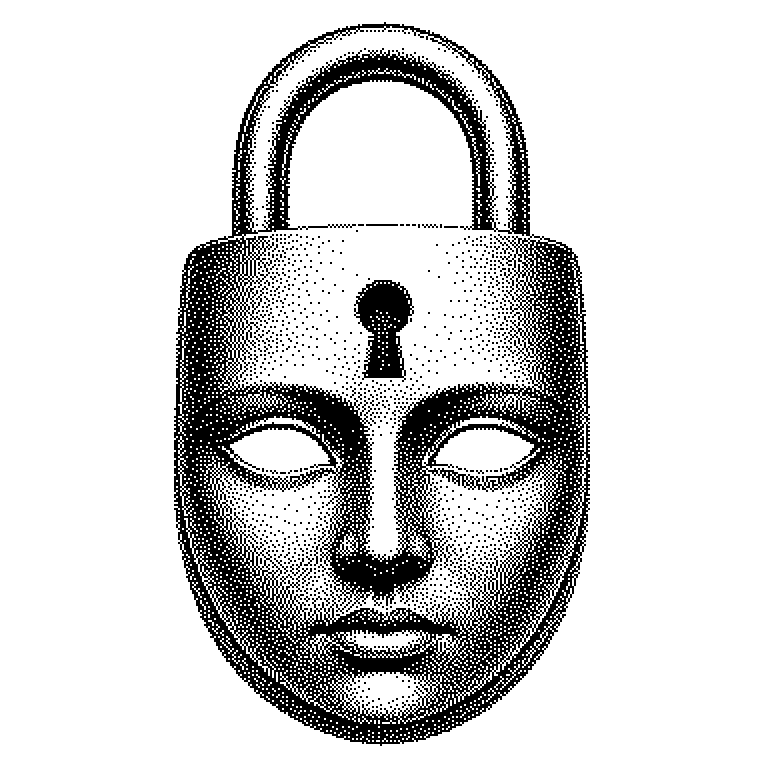
Real-Name Registration
Real-Name Registration refers to the legal or platform-side requirement to link online accounts to a person's actual first and last name and to verify this name with the provider. It aims to limit anonymity on the internet in order to make abuse, hate speech, or fraud more difficult.
Anyone signing up for a service on the internet can often choose any nickname they like. With Real-Name Registration, it’s different: users must provide their actual name and frequently prove it with an ID card or another official document. The provider then knows who is behind an account — even if a pseudonym may still be visible externally on the profile. The goal is to establish the connection between a person in the real world and their online behavior. States or platforms hope this will reduce abuse, since anonymous hate speech or fraud becomes harder to get away with.
Why governments and platforms rely on this requirement
The core idea is accountability. Someone who knows that their real name is linked to their comment is supposed to think twice before insulting someone or spreading false information. Law enforcement agencies can also investigate more easily in case of suspicion, since the provider can disclose the real identity data upon request. In countries such as South Korea or China, this requirement has been legally mandated for years.
Platforms, in turn, theoretically reduce the effort needed for moderation: banning an account means banning a traceable real person, not an arbitrarily creatable throwaway profile. Financial service providers have their own version of this: due to anti-money-laundering laws, they are already obligated to verify the identity of their customers — this is called KYC, short for “Know Your Customer”.
How identity verification works in practice
The technical implementation varies greatly. In the simplest case, the user enters their name during registration — without anyone checking whether it is correct. This is considered a weak form and is easy to circumvent. Stricter procedures require uploading a photo of an ID card or verifying one’s identity via video identification. In this process, an automated system — or an employee — compares the photo on the ID with the face of the person in front of the camera.
Government systems go even further, directly linking online accounts to a national ID number. In China, for example, every phone number is tied to the holder’s national ID number, and many platforms require exactly this number for registration. This allows authorities to attribute nearly every statement made online to a specific person.
A common misconception: Real-Name Registration and publicly displayed real names are not the same thing. It is possible for a service to know a user’s real name internally without displaying it. The user may appear externally as “User_4711”, yet the operator knows exactly who is behind that name.
Real-Name Registration in current debates and products
In Germany, a real-name requirement for social networks is regularly discussed politically, but so far has not been passed as a general law. Instead, the Network Enforcement Act (NetzDG) obligates large platforms to quickly remove certain illegal content — without requiring users themselves to use their real names. The EU takes a similar approach with the Digital Services Act (DSA): transparency regarding advertising and recommendation algorithms, but no general requirement for real names.
In the financial sector, the situation is clearer. Anyone opening a bank account, setting up a securities portfolio, or using a crypto exchange must, in most countries, mandatorily verify their identity. Providers such as Coinbase or Binance check identification documents before users are allowed to transfer larger sums. This is not a voluntary decision made by the platforms, but a legal requirement.
Critics warn that a blanket real-name requirement endangers minorities or politically persecuted individuals who depend on anonymity. Proponents counter that freedom of speech does not include the right to spread hate without consequences. This balancing act between protecting privacy and combating abuse is at the heart of the political debate — and is likely to shape it for years to come.