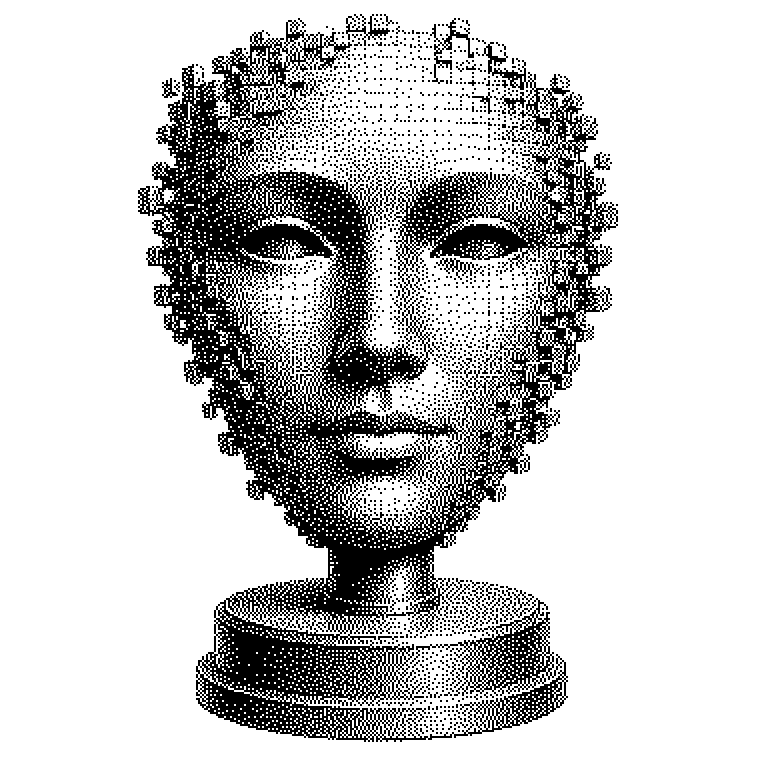
Digital Avatar
A digital avatar is an artificial figure that represents a human on screen – as an image, cartoon character, or deceptively realistic-looking video person. Modern avatars are controlled by software, speak, move their mouths, and thereby seem like a real counterpart.
A digital avatar is an artificial figure that represents a person on a screen. This can be a simple profile picture, a cartoon character in a video game, or a form that looks like a real human in a video. Some avatars are controlled directly by a human: they speak, and the figure moves accordingly. Others act without a human behind them, because a computer program generates voice, facial expressions, and responses. So the term only says that a visible figure represents a person – not who or what controls it. It is exactly this range that so often makes it confusing.
Why companies suddenly need faces from a computer
Videos with humans are expensive. You need a studio, cameras, lighting, and someone to speak the text. For every language and every small change, you have to reshoot. A digital avatar never needs a reshoot. You type in a text, and the figure speaks it – in German, Spanish, or Japanese.
That’s why companies use avatars for training videos, product explanations, and customer service. A corporation with branches in thirty countries can thus publish the same instructions in thirty languages. For providers of such software, this is a growing market that financial media also regularly report on.
The downside is obvious. If a face and a voice can be recreated, they can also be misused. Faked videos of politicians or CEOs are no longer a thought experiment. There have already been fraud cases in which employees transferred money via video conference because they saw a recreated boss in front of them. Such fakes are called deepfakes.
From recording to talking face
Realistic avatars are usually created in two steps. First, a real person is recorded, often just a few minutes of video and speech. From this material, a program learns what the face looks like and what the voice sounds like. Such learning programs are called AI models: they recognize patterns in many examples and can then reproduce them.
Then comes operation. You enter a text, software generates the voice from it, and a second program calculates the matching lip and head movements. The result is a video that was never filmed. With simpler cartoon avatars, it works differently: there, a camera controls a drawn figure in real time, so the facial expressions are taken directly from the user’s face.
A common misconception: an avatar is not automatically smart. The appearance and the answers are separate building blocks. Without a connected language program, the figure only reads aloud what it is given. Only the combination of face, voice, and a responding chat program creates the impression of a real conversation partner. And the smoother this impression becomes, the more closely one should look.
Avatars in everyday life: from game profile to corporate press conference
The most harmless avatar has long been part of everyday life. Anyone who dresses up a character in a game or creates a cartoon version of their face in a chat app is using one. The small animated faces in video conferences also belong to this category. These avatars represent the user without doing anything of their own.
Commercial applications go significantly further. In online shops, artificial saleswomen explain products, news agencies in Asia have reports read out by artificial presenters, and individual influencers exist exclusively as software. Some of these virtual figures have millions of followers and earn money through advertising.
In news texts, you usually encounter the term in two contexts: as a business model and as a risk. On one side are providers who sell avatar software. On the other side are courts and legislators who have to clarify who owns a digital face. Actors, for example, have fought to ensure their likeness is not reused without consent. Such questions will shape the coming years.