Fact-checking
Fact-checking means systematically comparing a claim against reliable sources and publicly assessing whether it is true. Because AI programs write texts that sound convincing but can be false, checking statements has become its own field of work.
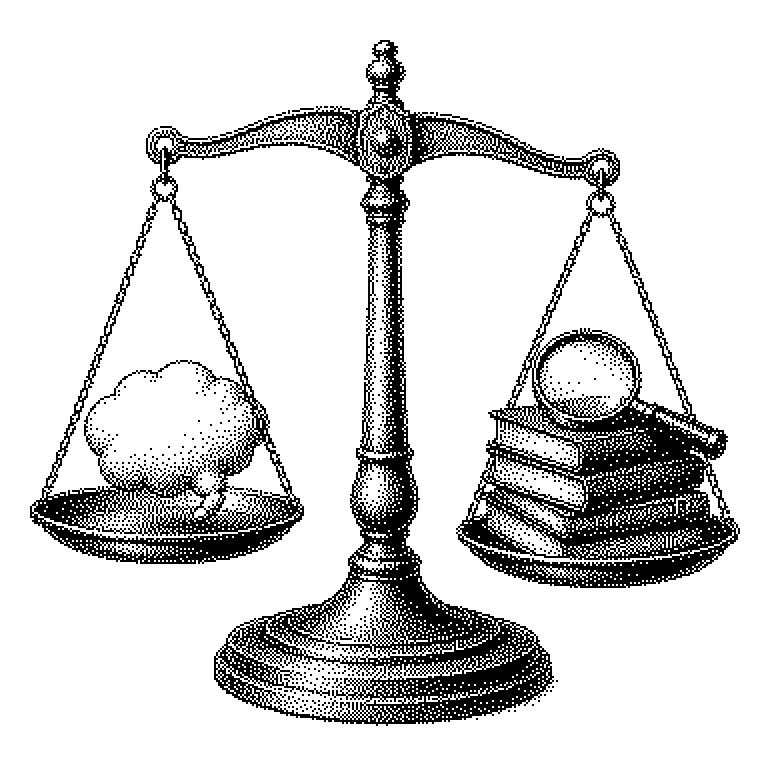
Fact-checking is the orderly verification of a claim. Someone says something verifiable, for example a number, a date, or a quote. Then a search is made for what reliable sources say about it: official statistics, original documents, studies, eyewitnesses. In the end there is a verdict, often with gradations such as “true”, “partly true”, or “completely fabricated”. It is important that the verification is disclosed: readers should see which sources were used. Fact-checking is thus not a dispute of opinions, but a working method.
Why false claims grow so fast online
A wrong number in a newspaper article used to reach a few thousand readers. Today a video reaches millions within a few hours. Recommendation systems, meaning the programs that decide on platforms which posts you see first, favor content with strong reactions. Exciting false reports often meet this criterion better than correct, boring information.
On top of that comes a new problem: programs can generate texts, images, and voices that seem real. A fake video of a politician can be produced with little effort. If no one checks anymore, even genuine recordings lose their value as proof. This effect is called the liar’s dividend: whoever is caught simply claims the recording is fake.
Fact-checking alone does not solve this. Studies show that corrections reach significantly fewer people than the original false report. Still, they change something: they give journalists, courts, authorities, and teachers a solid basis. And those who have read a correction spread the claim further less often on average.
From gathering claims to reaching a verdict
The first step is selection. Only statements about reality can be checked, not matters of taste. “Unemployment has risen” can be checked, “The government is incompetent” cannot. Editorial teams also pay attention to how widely a claim has spread. It is not worth debunking every piece of nonsense.
Then comes the research. For numbers, one goes back to the original source, for instance the Federal Statistical Office. For images, reverse image search helps: you upload the image to a search engine and find older versions. Often an alleged war photo turns out to be a picture from a different year and a different country. Metadata, meaning the additional information stored within the image such as the time it was taken, can also help.
AI is used on both sides here. Programs search through large amounts of posts and flag claims that have already been debunked before. But the verdict itself is made by humans. The reason: language models tend toward hallucinations, meaning fabricated information that they present confidently as fact. Using a model as an arbiter of truth would therefore be risky.
Fact checks in apps, newsrooms, and laws
You most often encounter fact checks as a warning label on social networks. Underneath a post it then says that a review organization has rated the content as false. In Germany, among others, the research center Correctiv and the Tagesschau’s Faktenfinder work in this field. Some platforms instead rely on notes from users who add to and rate each other’s contributions.
In news about technology, the term usually appears in connection with regulation. The European Union requires large platforms to take action against disinformation and report on it. For companies this is a cost factor, and therefore a relevant figure for investors. If a platform cuts its review teams, that is news.
Fact-checking is also embedded in AI products themselves. Chatbots now often provide source links so that you can verify the answer yourself. A common misconception is that such a link automatically proves the statement. Sometimes the source does not actually match the sentence it is supposed to support. Clicking on the source thus remains your job.