False Claims Act
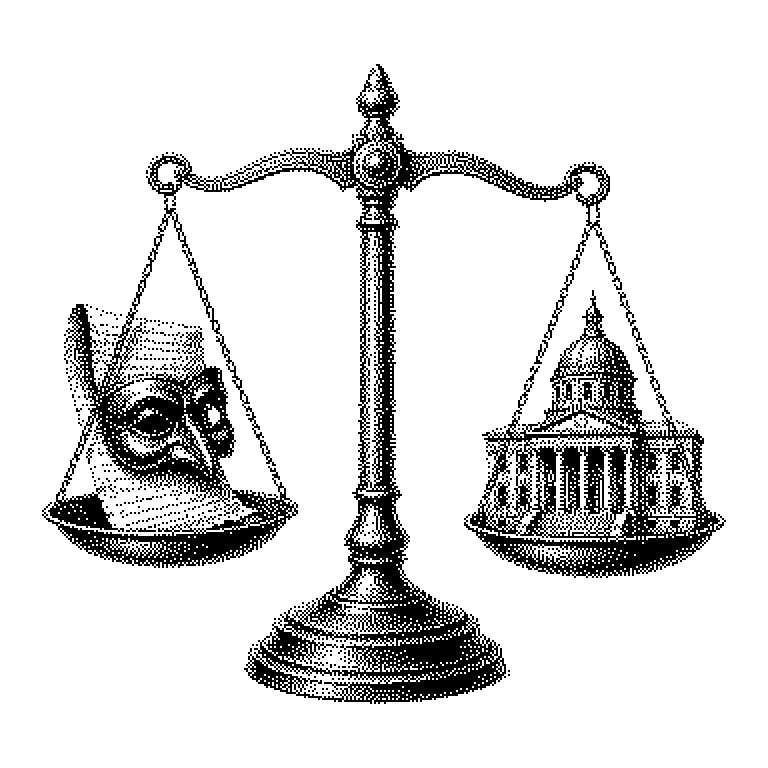
The False Claims Act is a United States federal law that makes it a crime to defraud the government through false or inflated billing. The law is particularly well known for allowing private individuals to sue on behalf of the government and receive a share of the recovered funds.
The False Claims Act is a U.S. law dating back to 1863. It makes fraud against the federal government a civil offense — meaning that anyone who knowingly submits false invoices to the government or obtains funds fraudulently must repay the money and pay an additional penalty. The law originated during the Civil War, when arms suppliers delivered counterfeit or substandard goods to the army on a massive scale. For this reason, it is sometimes called the “Lincoln Law,” after President Abraham Lincoln, under whom it took effect. Today, it is one of the sharpest tools the U.S. uses to protect government spending from abuse.
The whistleblower provision and why it is so powerful
What sets the False Claims Act apart from many other laws is a provision known as the qui tam clause. “Qui tam” comes from Latin and roughly means: “he who sues also sues on behalf of the state.” In practice, this means that a private individual — an employee, a competitor, an accountant — can file a lawsuit on their own if they have witnessed fraud against the government. They do not have to wait for the government to take action.
As an incentive, if the lawsuit is successful, this person receives between 15 and 30 percent of the amount recovered. In cases running into the hundreds of millions of dollars, this can mean a windfall of millions for the plaintiff. As a result, fraud is often uncovered not by authorities but by insiders — people who directly witness the misconduct and have a personal reason to report it.
How an FCA proceeding unfolds
Anyone filing a lawsuit does so initially under seal — the complaint is not visible to the defendant at first. The Department of Justice then examines whether the allegations hold up and decides whether to take over the case itself. If the government intervenes, more resources become available, and the chances of success rise significantly.
If the defendant is found liable, they must repay three times the actual damage caused — that is, not just the amount fraudulently obtained, but three times that amount. This so-called treble-damages rule is meant to ensure that fraud simply does not pay. On top of that come penalties per false claim, which can add up quickly.
Of course, the defendant can also prevail: if they can demonstrate that they acted in good faith or that the billing was accurate, liability is waived. Intent is a central element — mere mistakes without intent do not fall under the law.
Where the False Claims Act shows up in practice
The False Claims Act is especially prominent in healthcare. Hospitals and pharmaceutical companies bill government insurance programs such as Medicare or Medicaid. Incorrectly coded diagnoses, services not actually rendered, or inflated prices can trigger FCA lawsuits. Some of the largest settlements in U.S. legal history came about this way: GlaxoSmithKline paid three billion dollars in 2012, Pfizer paid 2.3 billion in 2009.
The law is increasingly showing up in the tech sector as well. When companies receive government contracts for software development or cloud services and fail to meet security standards they contractually promised, this can be considered a false claim. In the wake of rapidly growing government AI procurement, U.S. authorities are discussing whether the FCA can be applied to companies that make false statements about their AI systems in bids.
In the financial press, the term often comes up when a company announces an unexpectedly large reserve or a whistleblower case becomes public. In such cases, it’s worth knowing: behind these reports usually lies the question of whether someone knowingly harmed the U.S. taxpayer — and how expensive that could become for the company.