Web Bot Auth
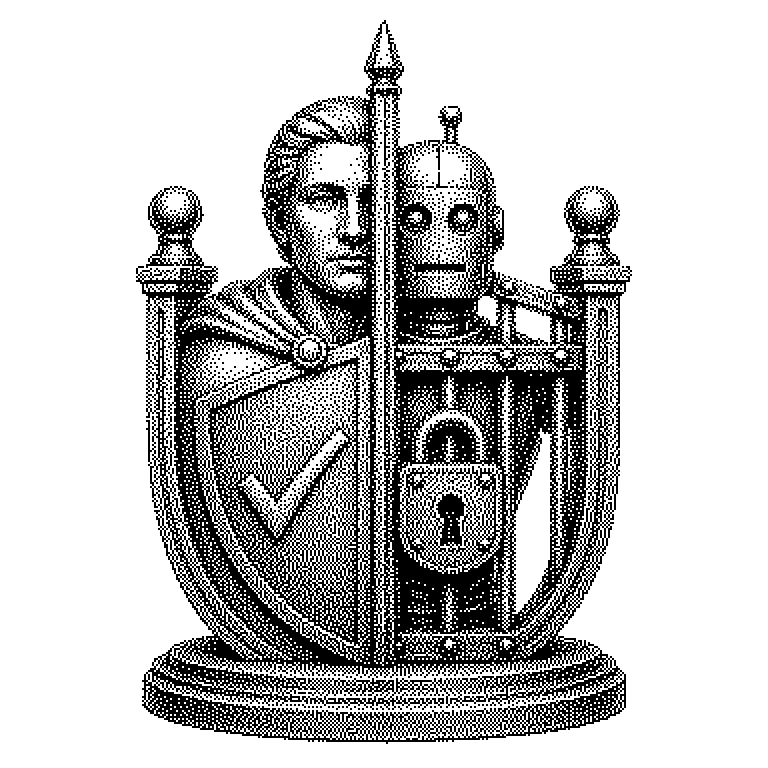
Web Bot Auth refers to methods that allow websites and services to distinguish automated programs (bots) from real human users. The goal is to block unwanted access by software without hindering genuine visitors.
When someone visits a website, there could be a human behind it — or an automated program, known as a bot. Bots are small pieces of software that access and read websites on their own, often thousands of times per minute. Some bots are useful, such as the programs search engines use to crawl the internet. Others are harmful: they fill out forms with fake data, steal price lists, or clog up ticket shops. Web Bot Auth — short for Web Bot Authentication, meaning bot authenticity verification on the web — refers to all methods a service uses to detect whether a human or a bot is currently interacting with it, and to respond accordingly. Depending on what is determined, access is allowed, made more difficult, or blocked.
Why bot detection is indispensable for the web
Without bot detection, many services would be nearly impossible to operate. A concert ticket shop without protection would sell its entire allotment within seconds to bot operators, who then resell the tickets at higher prices. News portals with paywalls lose revenue when bots automatically copy content. Online polls can be manipulated if a bot casts the same vote millions of times.
On top of that, there is a technical problem: mass bot traffic can bring a server to its knees — this is called an overload attack. Web Bot Auth is therefore not just a means against fraud, but also a way of protecting the infrastructure itself. Industry estimates suggest that roughly half of global internet traffic is not human but automated bot traffic.
How services tell bots apart from humans
The best-known method is the CAPTCHA — a small test that is easy for humans to solve but difficult for machines. Most people know it: clicking on traffic lights or bicycles in blurry photos. The idea behind it is that certain tasks come naturally to the human eye but were hard for software to solve. However, AI systems are catching up quickly here, which is why modern CAPTCHAs alone are no longer reliable.
That’s why services today rely on a combination of multiple signals. These include: the speed at which a page is scrolled or a form is filled out; the typical mouse movements of a human compared to a pixel-precise machine; the origin of the IP address; or whether the browser behaves the way a real browser would. Many services use hidden background checks that the user doesn’t even notice. This is called passive or risk-based authentication.
A newer approach involves cryptographic proofs: the browser sends a mathematical proof that it is legitimate — without revealing any personal data. The Privacy Pass protocol, used by Cloudflare among others, works on this principle. It is meant to eventually make CAPTCHAs completely unnecessary.
Web Bot Auth in products and current debates
In everyday life, people encounter Web Bot Auth constantly, often without realizing it. Anyone who creates a Google account, tracks a package, or signs up for a newsletter usually goes through several of these checks in the background. Services like Cloudflare or Akamai offer bot protection as a standalone product that website operators can simply switch on.
The topic plays an increasingly important role in the current AI debate. More and more AI companies are sending out bots to crawl websites for training their models. Many operators want to prevent this and are therefore tightening their bot detection systems. At the same time, bots are getting better at disguising themselves as humans — an arms race that has not yet come to an end.
This also gives rise to a societal debate: overly strict checks exclude real humans — for example, people with visual impairments who cannot solve CAPTCHA image tasks. Accessibility and security are in genuine tension here, one that the industry has not yet resolved satisfactorily.