WRAP
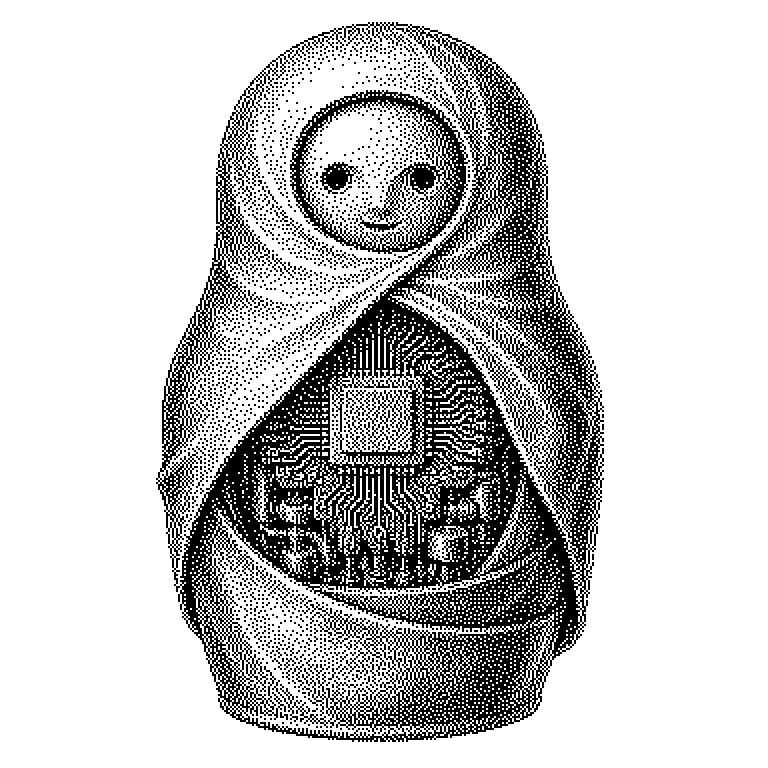
A wrap is a thin software shell that encases a third-party AI model and presents it to the outside world as its own product. The actual computational work is still done by the model behind it, usually accessed through a large provider's paid interface.
A wrap is a shell around a third-party AI system. In doing so, a company does not build its own language model — that is, no program that has itself learned to understand and write text. Instead, it sends users' requests to a finished model from a major provider and returns that model’s answer. All that surrounds it is the company’s own surface: design, sign-up, payment, and a handful of fixed instructions to the model. The English term literally means “to wrap something up,” and that is exactly what describes the matter. In the tech industry, the word is often used disparagingly, because it implies: there’s little of one’s own in it.
Why investors use the word as a warning
A wrap can be built in a few weeks. At first this is an advantage, but it quickly becomes a problem. Because whatever can be built in a few weeks can just as easily be copied by any competitor in a few weeks. Experts say the product lacks a moat — that is, something that stops imitators.
On top of that comes dependence on the provider behind it. Whoever builds their product on a third-party model pays a price for every request that another company sets. If that company raises its prices, profit drops immediately. Even riskier is the other case: the provider simply builds the feature in themselves. This has happened repeatedly, for instance when ChatGPT began offering the uploading and summarizing of PDF files directly, making several small providers redundant.
That’s why “that’s just a wrap” is a harsh objection among investors. It essentially means: the value doesn’t lie with you, but with the model you’re renting. Conversely, though, not every shell is worthless. If a company brings its own data, vetted workflows, or a hard-to-replicate customer relationship, that can turn into a viable business.
What happens between the user and the model
Technically, this runs through an interface, called an API in English. It’s a kind of power outlet: a program sends a request to the model provider’s server and gets a response back. Each request is billed, usually based on the amount of text processed. So the computational work takes place in someone else’s data centers, not at the wrap provider’s end.
Before the request is sent off, the wrap often prepends its own instructions. This hidden directive is called a system prompt. For a learning assistant, it might say: “Answer in German, explain in short steps, and never give the finished solution.” The user never sees this text, but it shapes every answer.
More elaborate products go further. They first search their own documents and include the relevant passages in the request. They check the answer for errors or let the model operate tools, such as a database. The line between “just a wrap” and a genuinely independent system is fluid and is often drawn precisely at this point.
Wraps in the app store and in media coverage
A large share of the AI apps on phones are wraps. These include chat apps with colorful interfaces, translators, job-application helpers, and homework assistants. Some demand a subscription for something you can get more cheaply or for free directly from the model provider. So a careful look is worthwhile before paying.
The term also comes up regularly in business news. Whenever a start-up receives a high valuation, a debate almost always follows about whether there’s more behind it than a shell. Conversely, companies like to emphasize in their announcements that they have their “own model” or have “fine-tuned” a model, meaning retrained it with their own examples.
A common misconception is that a wrap is a technical flaw. That’s not true. Using third-party services is completely normal in the software world — hardly anyone builds their own map rendering or payment processing. The criticism doesn’t target the technology, but the business model: it raises the question of what remains if the provider behind it changes its terms.