Wearables
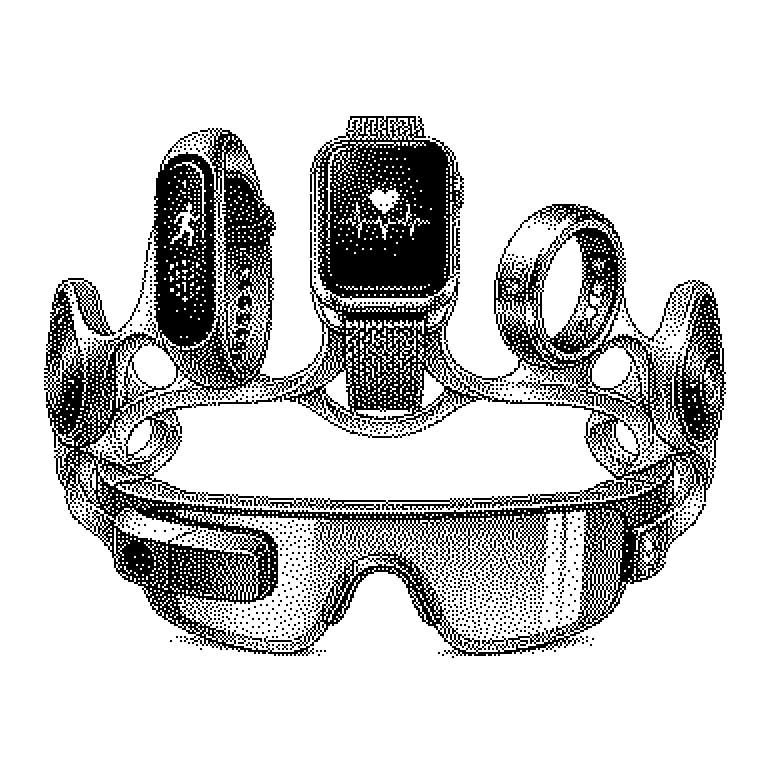
Wearables are small computers worn on the body – such as smartwatches, fitness bands, smart rings, or smart glasses. They continuously measure body data and movements and send this to a phone or to data centers on the internet.
Wearables are devices worn on the body like a piece of clothing or jewelry. The name comes from the English word “to wear”. Typical examples are smartwatches, fitness bands, rings with built-in sensors, and glasses with a display. Inside each is a small computer with sensors, a battery, and a wireless connection. Unlike a phone, you don’t take wearables out of your pocket when needed. They are on the body around the clock and therefore keep measuring even when you’re not thinking about it.
Why companies fight for the wrist
The market for wearables has grown large. Worldwide, well over 500 million such devices are sold every year. Apple, Samsung, Google, and Chinese manufacturers like Xiaomi and Huawei share the largest part of it. This is interesting for investors because the devices don’t just generate money once. Many providers also sell a subscription for training plans or health analyses.
The second reason is more valuable than the revenue itself: the data. A fitness band knows when you sleep, how fit you are, and how often you move. Such information is very meaningful for health insurers, insurance companies, and research teams. That’s exactly why wearables are also a constant topic in data protection. Health data is considered especially sensitive in the EU and may not simply be resold.
A third point is the binding to a system. Whoever wears an Apple Watch rarely switches to an Android phone, because the watch then barely works anymore. This dependency is called the lock-in effect. For manufacturers it’s a strong selling point, for customers rather a disadvantage.
From sensor measurement to the number on the display
Inside the device sit several sensors, meaning measuring instruments for the environment or the body. An accelerometer detects how the arm moves and counts steps from that. An optical sensor shines green light into the skin and measures how much of it comes back. Because blood absorbs light differently than tissue, the pulse can be read from the rhythm of this signal. Other sensors measure skin temperature or the oxygen level in the blood.
These raw measurements are at first just a flood of numbers and quite noisy. Only software turns them into understandable statements. Learning programs are often used here, trained on thousands of sample measurements. They recognize, for example from the pattern of pulse and movement, whether someone is sleeping, jogging, or cycling. Part of this computation happens directly on the device, another part on the manufacturer’s servers.
The biggest technical hurdle is power. A wearable has only a tiny battery but is supposed to last for days. That’s why many sensors don’t measure continuously, but only at short intervals. A common misconception is to consider the displayed values medically exact. A smartwatch is not a clinical measuring device, but delivers estimates with noticeable deviation.
Smartwatch, smart glasses, and a look ahead
The best known is the smartwatch on the wrist. It displays messages, measures pulse, and in some models can detect a fall and automatically call for help. Besides that, there are simple fitness bands without a large display and smart rings that mainly analyze sleep. Headphones with a voice assistant also count in a broader sense.
In the business news, wearables currently appear mainly because of glasses. Meta, Google, and Apple are pouring billions into smart glasses that overlay information into the field of view. Language models like the one behind ChatGPT make such devices more practical, because you can simply talk instead of typing. Whether glasses will become established in everyday life is still open. Price, battery life, and the question of who gets filmed by a camera on someone’s face remain unresolved.
In everyday life you also encounter wearables in sports clubs or in clinics. Professional teams use them to measure the strain on their players, doctors use approved devices to monitor heart rhythm. It’s important to make a distinction: a consumer device from the electronics store is not a medical product. Only a few functions are officially tested and approved for diagnosis.