OpenAI-compatible API
An OpenAI-compatible API is a software interface that accepts requests in exactly the same way as the interface built by the company OpenAI. Programs written for OpenAI thus work with other providers or with models running on one's own machine without any modification.
When a program wants to use a language model, it sends its query over the internet to a remote computer. Exactly how this message must look is precisely defined: which fields it contains, how it is structured, in what form the answer comes back. This definition is called an interface or API. The company OpenAI, known for ChatGPT, chose a particular form for its models. Because a great many programs were written for it, other providers simply copied this form. Such a copied interface is called an OpenAI-compatible API.
Why almost everyone adapted to OpenAI
For developers, switching providers is normally tedious. Every interface has its own field names, its own rules, its own error messages. Anyone wanting to move their program to a different service often has to touch hundreds of lines of code. Precisely this work disappears when both sides speak the same form.
In practice, it is then enough to change two settings: the provider’s internet address and the access key. The rest of the program stays unchanged. This ease of substitution is an economic argument. A provider that builds a completely proprietary interface makes life hard for itself, because customers first have to invest work before they can even test it.
For OpenAI itself, this is a double-edged outcome. Its own interface has become the industry’s unofficial standard, which means influence. At the same time, exactly this standard lowers the barrier to switching to the competition. Such situations are described as low customer lock-in, because nothing technically holds the user in place.
What exactly gets copied
The most important part is a single address called chat/completions. A program sends a structured message there. It contains the desired model name, the conversation so far, and settings such as the maximum response length. The messages carry roles like system, user, or assistant, so the model knows who said what.
The response comes back in a defined format, usually with a list of possible answers and a count of the text units consumed. In addition, most reimplementations support so-called streaming: the response arrives word by word instead of all at once after several seconds. That is the effect you see in chat windows as the model appears to be typing.
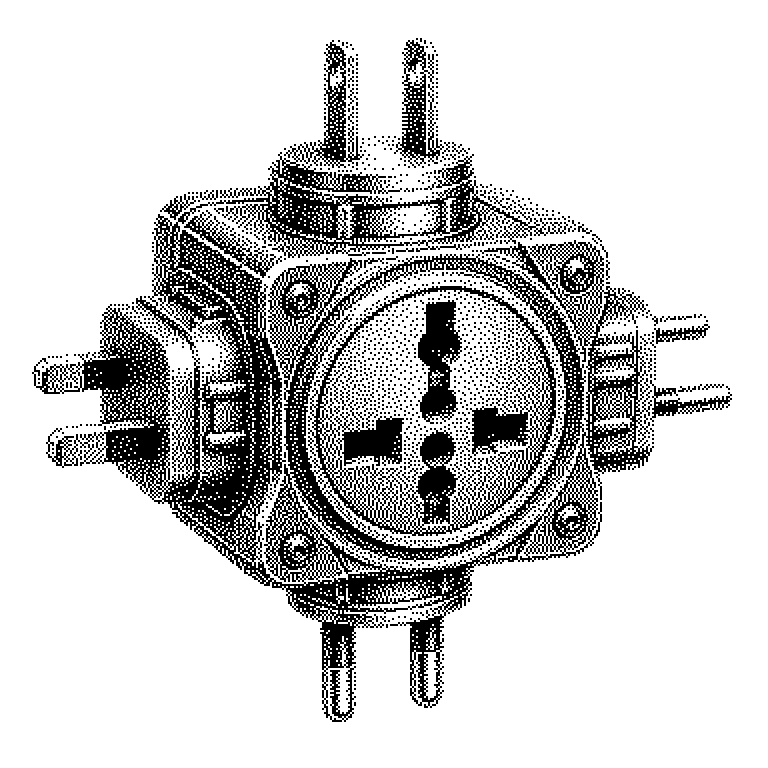
Compatible, however, never means identical. A common misconception is assuming that all features come along with it. Newer additions such as tool calls, image inputs, or structured output formats are missing in some reimplementations or behave slightly differently. A comparison helps: two power outlets can have the same shape but deliver different amounts of current. The plug fits, but the expectation doesn’t always.
Where such interfaces are found
Practically all major providers besides OpenAI now additionally offer OpenAI-compatible access, including Mistral, Groq, Together, and many smaller services. Tools that run a model directly on one’s own laptop also behave this way. Ollama, LM Studio, and vLLM start a small server on the machine for this purpose, which responds just like OpenAI.
This means you can develop and test the same application without paying a single cent for external requests. Only for actual production use do you switch to a paid service. Companies with strict data protection rules also make use of this, because sensitive texts never have to leave their own server room.
In product descriptions and news reports, the phrase usually appears as a selling point. When it says OpenAI API compatible, that is a promise to developers: you don’t have to learn anything new. Anyone reading such a claim should nevertheless check which features are actually covered.