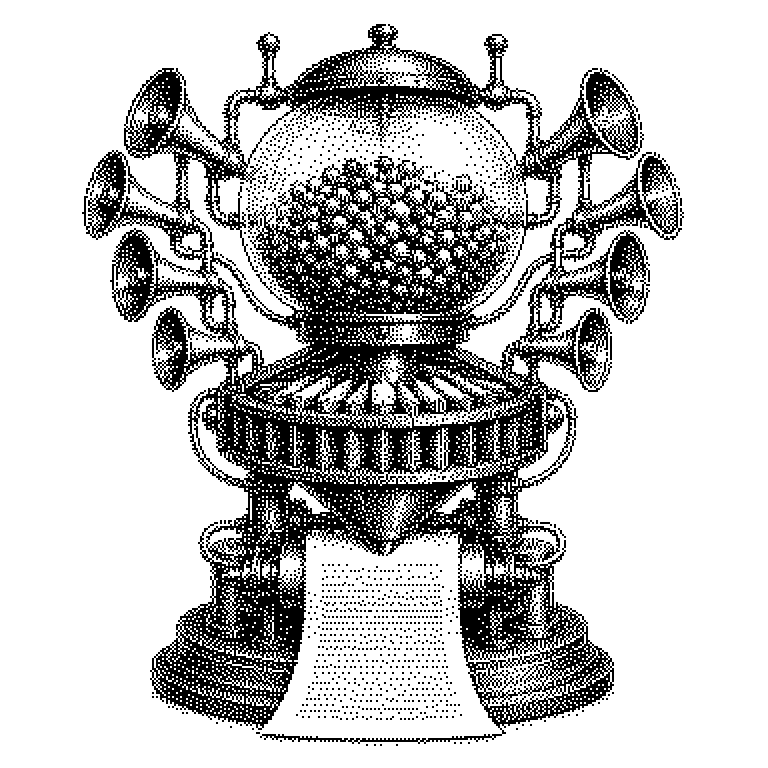
Habermas Machine
The Habermas Machine is an AI system that formulates a joint text from the opinions of many people on a contentious issue, one that as many as possible can agree with. It was introduced in 2024 by Google's research division DeepMind and tested in studies with several thousand participants.
When twenty people discuss a contentious issue, the result is rarely a text everyone agrees with. That is exactly what the Habermas Machine tries to achieve. It is a computer program that first collects the written opinions of all those involved. It then formulates a single summarizing proposal from them, a so-called group statement. This statement is meant to fairly reflect the different viewpoints instead of pushing through one of them. The system was introduced in 2024 by DeepMind, a research division of the Google corporation. The name recalls the German philosopher Jürgen Habermas, who studied how people arrive at joint decisions through rational argumentation.
Why compromise has become a machine problem
Democratic procedures cost a lot of time. A citizens' assembly with fifty participants needs moderators, rooms, and several weekends. With a thousand participants, this becomes practically impossible. This is exactly where the idea comes in: a program can read many contributions simultaneously and process them within seconds.
The role of the moderator is also interesting. People who lead a discussion have opinions of their own. They overlook some arguments and emphasize others. A system that treats all contributions equally could reduce this blind spot. In the DeepMind studies, participants rated the machine-generated texts as fair and well-written more often than the proposals of human moderators.
However, there is a significant objection. Whoever writes the summary has power over the outcome. A program that learns what people like to read could smooth over uncomfortable minority positions. Critics call this the danger of an artificial pseudo-consensus: it looks like agreement, even though the conflict remains.
From a pile of opinions to a joint statement
The foundation is a large language model. This is a program that has learned from vast amounts of text how sentences continue, and can thereby write texts itself. Such a model alone, however, only produces some summary or other. The Habermas Machine additionally selects in a targeted way.
The process has several rounds. First, each participant writes down their opinion on the question, for instance on lowering the voting age to 16. The model generates not just one but several candidate texts from this. A second program estimates for each candidate how highly the participants would likely rate it. This rating program was previously trained on real ratings from humans.
The candidate with the best prospects goes back to the group. The participants rate it and write criticism about it. A revised version emerges from this criticism. One can imagine it like a negotiator who rewrites a proposal several times until as few people as possible object. Importantly: the system does not vote and decides nothing. It only delivers a proposed text.
Citizens' assemblies, platforms, and open questions
In everyday life, one rarely encounters the Habermas Machine so far, because it is a research system and not a finished product. In the news, on the other hand, it appears regularly whenever AI in politics is discussed. The associated study was published in the journal Science and was conducted with over five thousand participants in the United Kingdom. Contentious issues such as immigration, climate protection, and the voting age were tested.
Related approaches have already been in use for longer. The platform Pol.is sorts the opinions of thousands of users by similarity and shows where surprising majorities lie. Taiwan has used it to prepare legislative proposals. The difference: Pol.is shows patterns, the Habermas Machine writes a text itself.
Conceivable applications range from citizens' assemblies to staff meetings to school conferences. A common misconception is that the system determines truth. It only finds formulations with broad agreement. Whether a statement is factually correct is not something it checks.