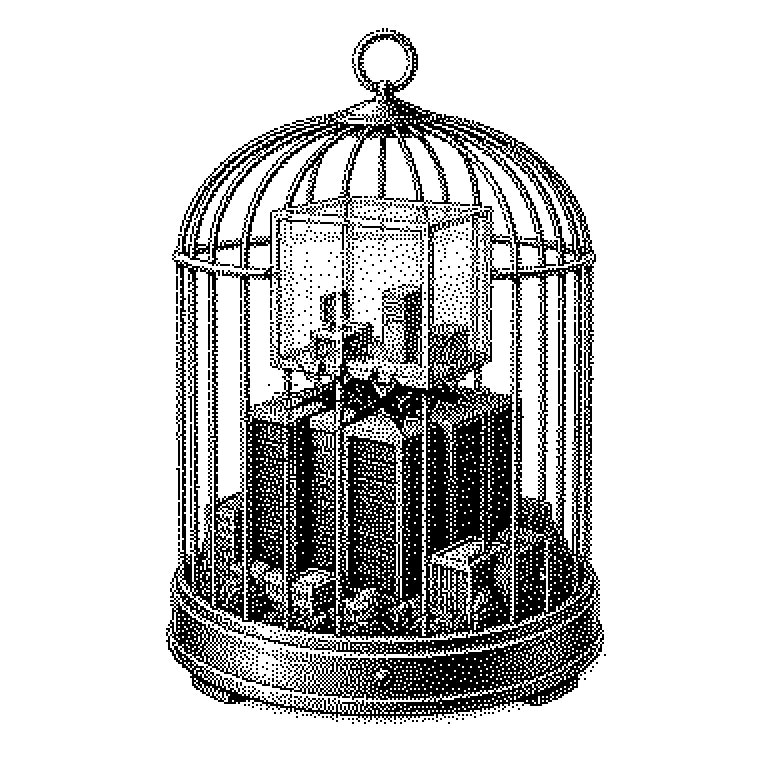
KVM Escape
KVM Escape refers to a security vulnerability in which an attack originating from within a virtual machine gains control over the underlying host system. The term appears primarily in reports about cloud infrastructure and critical vulnerabilities.
Modern servers rarely run just a single operating system. Instead, software called a hypervisor divides the hardware into multiple isolated sections — so-called virtual machines. Each of these behaves like a standalone computer. KVM, short for Kernel-based Virtual Machine, is a widely used hypervisor built directly into Linux. A KVM escape is an attack in which code breaks out of one of these isolated machines and gains access to the actual, underlying computer — known as the host. This breaks the entire separation that the hypervisor is supposed to guarantee.
Why an escape is so dangerous
Isolation between virtual machines is the foundation of the cloud. Hundreds of a cloud provider’s customers share the same physical hardware — separated only by software. Anyone who escapes their virtual machine suddenly finds themselves on the host system and, in the worst case, can access all other virtual machines running on the same server.
This affects more than just data. An attacker with host access can manipulate, spy on, or completely take over other machines. In a public cloud, these would be the systems of other companies. This is precisely why KVM escapes rank among the most critical vulnerability categories of all — providers like Google or Amazon often internally classify them as “highest priority.”
How an escape succeeds
Between a virtual machine and the host lie several layers of software. Each of these is a potential attack surface. The most common entry points are emulated devices: the hypervisor makes the virtual machine believe it has a real graphics card, a network card, or a USB device. If this emulation contains a flaw — such as a memory error, where a program accesses areas it should not be able to access — an attacker can exploit this flaw to execute code on the host.
A well-known example is the VENOM vulnerability from 2015. It was located in the emulated floppy disk drive, which many hypervisors activated by default — even though hardly anyone uses floppy disks anymore. A crafted command to this drive was enough to break out of the virtual machine. Another example is the vulnerability CVE-2024-21886, which was discovered in KVM in 2024 and quickly patched.
Defense operates on several fronts. Hypervisors are regularly updated, emulated devices are reduced to the bare minimum, and the host runs with as few privileges as possible. Additional layers such as SELinux or seccomp — both mechanisms that define what a process is actually permitted to do — limit the damage should an escape nevertheless succeed.
KVM Escape in practice
KVM escapes regularly appear in security competitions. At Pwn2Own, an annual hacking contest, prize money of several hundred thousand dollars is awarded for successful hypervisor escapes. This shows how difficult these attacks are in practice — and how valuable they would nevertheless be.
In the cloud industry, KVM escapes are a central topic when choosing security architectures. Providers like AWS have therefore developed their own hypervisors — such as Nitro, which is based on a heavily stripped-down codebase in order to minimize the attack surface. Less code means fewer bugs that can be exploited.
In everyday use, the term is encountered mainly in patch announcements and CVE reports — short for Common Vulnerabilities and Exposures, a public registry for security vulnerabilities. When a KVM patch is classified as “critical,” a potential escape vector is usually the reason.