Egosystem
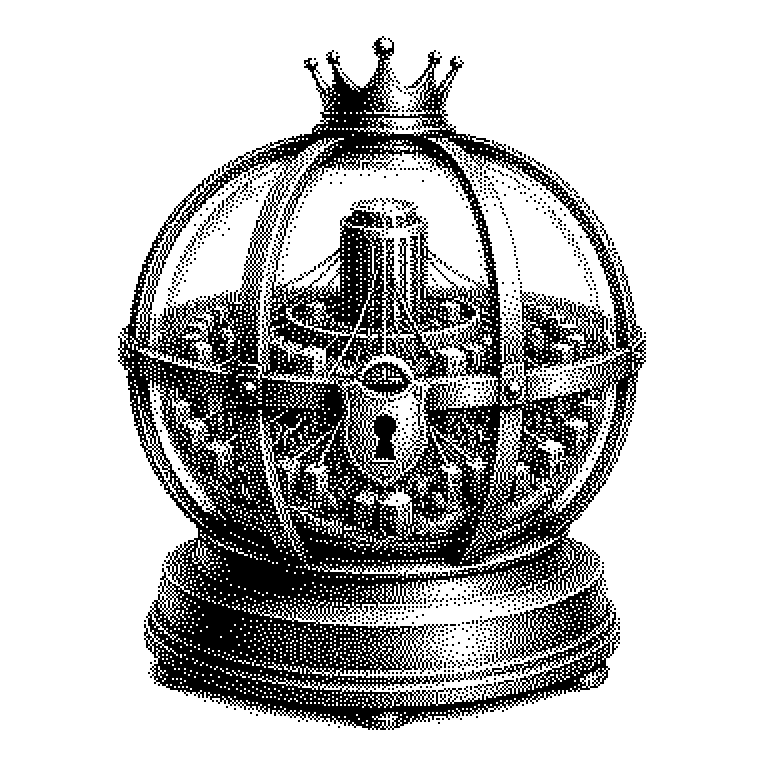
An egosystem is a digital environment in which a single provider controls all the important parts and binds users and partners to itself. The term is a critical play on words: instead of an open ecosystem with many equal participants, everything revolves around the interests of one company.
When several companies work together on a technical platform and all benefit from it, this is called an ecosystem. The word comes from biology, where it refers to a network of living beings that depend on one another. In the tech industry, however, the term is often used where it doesn’t really fit. An egosystem is the mocking counter-term for this: an environment that only appears open from the outside, but in which a single company sets all the rules. Anyone who joins is allowed to play along, but only on someone else’s terms. The term is not a technical category but a value judgment — it shows up in analyses, commentary, and competition debates.
When openness is just a facade
The difference between an eco-system and an ego-system determines who ultimately makes the money. In a genuine ecosystem, small providers can grow without anyone being able to cut off their access. In an egosystem, their existence hinges on a single decision by the platform operator. If the operator changes its terms, entire business models can collapse overnight.
For users, this mainly means one thing: switching becomes expensive. Anyone who has spent years collecting photos, messages, music, and notes with one provider loses a lot of that when switching. Experts call this hurdle the lock-in effect. It is rarely a coincidence, but often deliberately built in. A provider that makes switching difficult has to work less hard to retain customers.
This is why the term is also politically relevant. Competition authorities in the EU and the US closely examine whether major platforms are exploiting their position. The accusation is usually that a company favors its own services while putting others at a disadvantage. Europe’s Digital Markets Act, or DMA, addresses exactly this issue.
The building blocks of dependency
An egosystem usually doesn’t arise from a single prohibition, but from many small structural decisions. A typical example is control over the distribution channel: software only reaches the device through a specific store, and the operator collects a commission. Add to this data formats that are difficult to transfer to other programs. And often certain additional features only work if you also use other products from the same company.
In the AI industry, this pattern is currently very visible. A company develops a language model, offers access to it through its own interface, and also operates the data centers behind it. Developers build their applications on top of this interface. If prices later rise or a feature disappears, they have hardly any alternative.
An important distinction needs to be made: a closed system is not automatically bad. Tight control can improve security and ease of use, because all the parts are coordinated with one another. It only becomes an egosystem when the closedness mainly benefits the provider and takes away choices from the participants. This boundary is fluid, and that is precisely why it is controversial.
Where the accusation comes up
The word appears most often in reports about the big tech companies. Debates include, for example, whether smartphone manufacturers must allow third-party app stores, or whether messaging apps should be able to exchange messages with one another. Streaming services, game consoles, and cloud providers also come up in such debates. So behind the term there is usually a concrete dispute about market power.
In everyday life, people often only notice an egosystem when they try to switch. The new headphones don’t pair as conveniently, the audiobooks you bought don’t play on the other device, the group chat suddenly works worse. Such friction is the practical result of the strategy described above.
A common misconception is that companies call themselves this. No one does, because the term is a criticism from the outside. In their own marketing, the very same structure is always called an ecosystem or a platform. So anyone who wants to recognize the difference shouldn’t look at the label, but ask a simple question: how easily could I get back out of here?