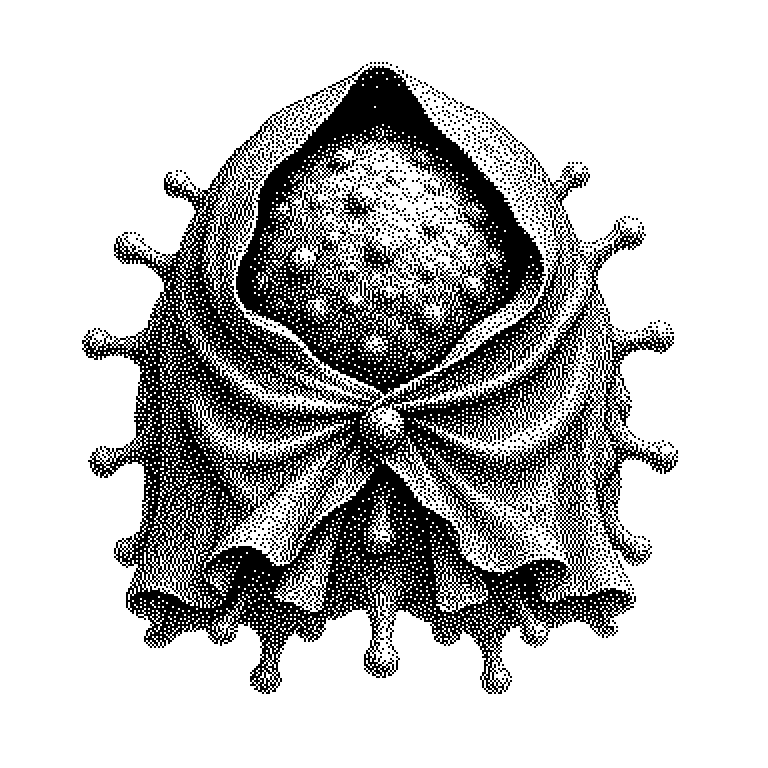
Immune Evasion
Immune evasion refers to all the tricks pathogens or tumor cells use to escape the body's own defenses. In the biotech industry, the term is central because it explains why vaccines lose effectiveness and why some cancer therapies fail.
The human body has a defense system, the immune system. It recognizes foreign or pathologically altered cells and destroys them. Viruses, bacteria, and cancer cells are therefore under pressure: whoever gets recognized, loses. Immune evasion is the umbrella term for all the properties they use to escape this recognition. Some change their surface, others actively slow down defense cells, and others hide in cells that the immune system can hardly see into. So the term does not describe a single mechanism, but an entire family of strategies.
What immune evasion means for vaccines and cancer medicine
A vaccine shows the immune system a recognition feature of the pathogen. After that, the body knows what to look out for. If the pathogen changes precisely this feature, what has been learned no longer fits properly. Protection declines, and the vaccine has to be adapted. This is exactly why there is a new flu vaccine every year.
With cancer, the situation is similar, but the roles are reversed. Tumor cells originate from the body itself and are initially familiar to the immune system. Many tumors additionally switch on brake signals that disable defense cells. As a result, a tumor can grow even though the immune system is basically functioning. Modern immunotherapies target exactly this point and release these brakes.
For investors and companies, immune evasion is therefore an economic factor. It helps determine how long a drug remains effective and how often it has to be redeveloped. A vaccine against a highly mutable pathogen is a recurring business. A vaccine against a stable pathogen such as measles, on the other hand, protects for decades.
The typical escape routes of pathogens
The most common route is changing the surface. Pathogens multiply quickly and in doing so make copying errors, so-called mutations. Most errors are useless or harmful. But some change precisely the spot where defense molecules dock. Such variants spread because they have an advantage.
A second route is switching off recognition markers. Normal cells display fragments of everything produced inside them on their surface, like a shop window. Defense cells check this shop window. Many tumor cells simply reduce it and thereby become inconspicuous. Other pathogens hide in regions of the body that the immune system barely monitors.
A third route is active braking. Tumor cells can display molecules that defense cells read as a stop signal. These brakes are actually sensible: they prevent the immune system from attacking healthy tissue. The tumor abuses this built-in safety mechanism. It is important to distinguish this from resistance: resistance is directed against a drug, immune evasion against the body’s own defenses.
Where the term appears in news and studies
Immune evasion was most visible during the Covid pandemic. New variants were measured by how well they escaped existing antibodies. Phrases such as “partially evades immune protection” describe exactly this effect. The same logic applies to the annual adjustment of the flu vaccine.
In stock market announcements from biotech companies, the term often appears in study results. If an immunotherapy only works in a subset of patients, the explanation frequently lies in the tumor’s evasion mechanisms. Conversely, companies advertise that their approach blocks several escape routes simultaneously. Vaccines targeting particularly stable parts of a pathogen are also promoted this way.
A common misconception is that immune evasion automatically makes pathogens more dangerous. The two are independent of each other. A variant can evade defenses well and still cause milder illness. Conversely, an easily recognizable pathogen can cause severe disease. Immune evasion only describes how well something hides, not how much damage it does.