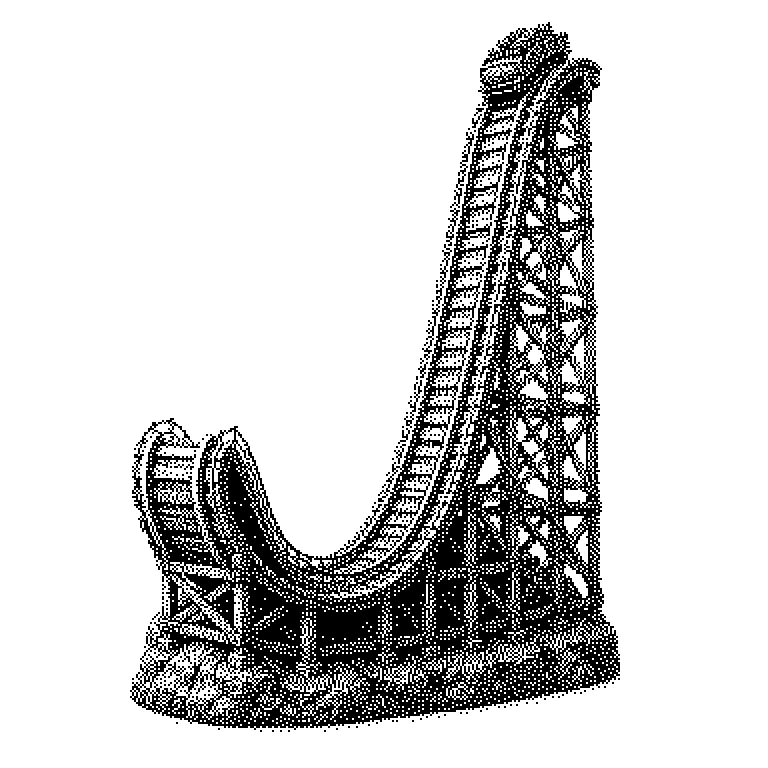
J-Curve
The J-curve describes a pattern in which things first get worse after a change and only later get better. The name comes from the shape of the letter J: first a downward hook, then a long climb.
The J-curve is a metaphor for a particular pattern over time. You change something, and at first the result gets worse than before. After a while, the trend reverses, and the value rises above the starting point. If you plot this pattern on a chart, the line looks like the letter J: a short hook downward, then a long climb. The term comes from economics, but today it is used just as much for technology and AI projects. It always means the same thing: the benefit arrives later than the costs.
Why the trough before the climb is so dangerous
Anyone who can only judge a decision by its short-term result is bound to misjudge a J-curve. In the first months, the numbers look worse than before the change. A company introducing a new system faces expenses, transition chaos, and untrained employees. Profit therefore falls at first, even though the decision was the right one.
It is precisely in this trough that many projects get cancelled. Boards, investors, or voters lose patience because they only see the downward hook. This is treacherous, because from the outside it’s hard to tell whether a project is stuck in the trough of a J-curve or has simply failed. Both look the same in the quarterly figures at first.
Conversely, the J-curve is also a convenient excuse. Anyone presenting poor numbers can always claim that the upturn is still coming. That’s why it’s worth asking: is there a concrete reason why the trend should reverse, and a point in time at which this can be checked?
Why the costs come first, and the benefit later
The same mechanism lies behind every J-curve. Investments occur immediately, returns take time. You have to buy equipment, develop software, restructure processes, and train people. These costs are fully present on day one, while the benefit only grows with practice.
There’s a second effect on top of that: during the transition, both systems run in parallel. The old system has to keep running, and the new one doesn’t work properly yet. During this phase, you pay twice and get less performance than before. Only once the old system is switched off does the balance tip.
An everyday example makes this tangible. A runner who changes their technique will be slower in the first weeks, because the old movement pattern is still ingrained. After two months, they run faster than ever before. It’s important to distinguish this from a simple ramp-up curve: with the J-curve, it’s not just a slow climb — first there is a measurable drop.
The J-curve in AI projects and stock market reports
The J-curve currently comes up especially often in news about artificial intelligence. Corporations spend billions on data centers and models, and earnings per share fall. Experts then speak of the productivity J-curve: the technology is there, but companies haven’t yet adapted their workflows to it. Historically, this took years to decades with both electricity and the computer.
The J-curve is also an established term in venture capital, i.e. funding for young companies. Such a fund shows losses in the first years, because fees are incurred and no company has yet been sold. Only later do the large returns come in from individual successes.
In classical economic policy, the J-curve describes something similar with currencies. If a currency becomes cheaper, the trade balance worsens at first, because imports immediately become more expensive. Only once customers abroad start ordering more does it rise. If you come across the term in an article, the most useful question is always the same: how deep is the trough, and how long is it supposed to last?